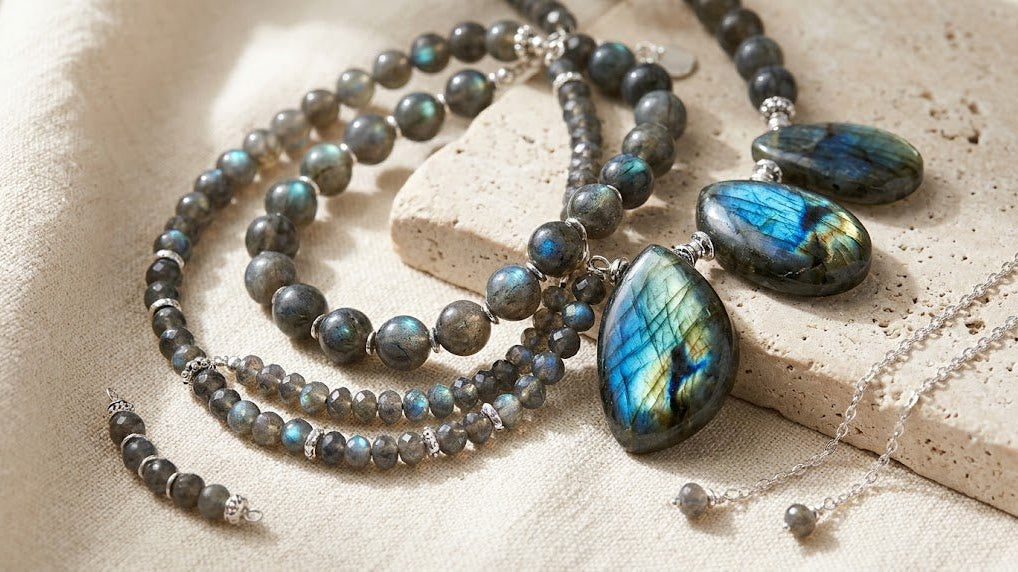
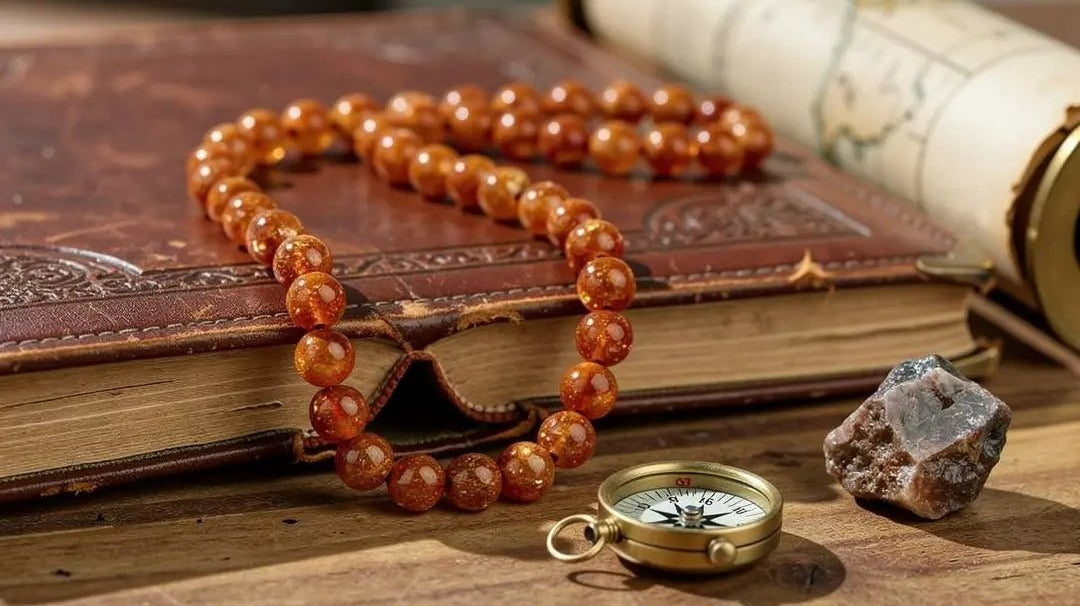
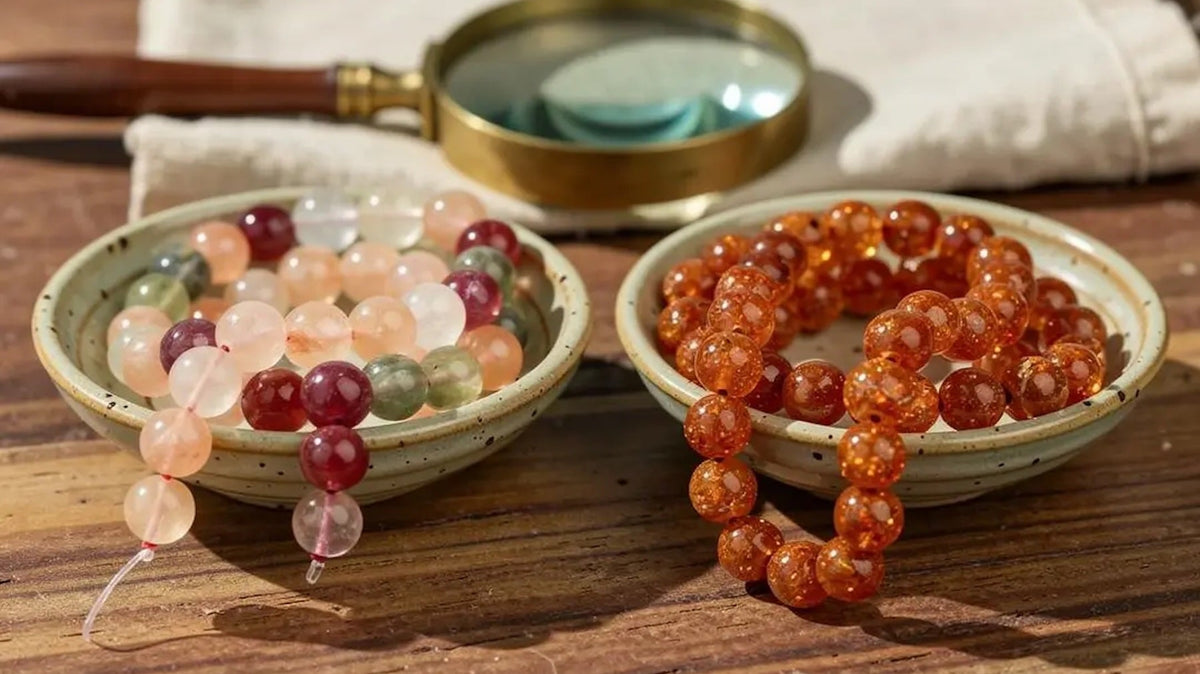
Opal beads are unlike just about any other gemstone. Depending on the variety, they can show flashes of blue, green, pink, orange, and gold, with colors that seem to shift as the stone catches the light. That natural variation is exactly what makes opal so interesting to work with in jewelry.
For jewelry makers, buying opal beads wholesale makes it easier to stock up for multiple projects, create coordinating pieces, or produce small-batch collections without purchasing strands one at a time. But with so many types, grades, colors, and treatments available, knowing what you're buying matters.
In this guide, we'll break down the different types of opal beads, what to look for when comparing quality, the benefits of buying wholesale, and ways to use opal in your next jewelry design.
What Makes Opal Beads So Popular for Jewelry Design?
Opal beads stand out for their color, translucency, and natural variation. Some have flashes of the shifting color opal is famous for, while others draw attention with soft pastels, warm earthy tones, or cloudy patterns. That variety gives jewelry makers plenty of room to create pieces that feel completely different from one another.
At The Bead Traders, our Opal Beads Collection ranges from pale blues and pinks to warm honey tones, making it easy to take a design in a delicate, earthy, modern, or more elegant direction.
Opal also works across all kinds of jewelry, from dainty beaded bracelets and necklaces to statement earrings and mixed-gemstone designs. Pair it with warm gold or brass, create contrast with silver, or mix it with complementary gemstones to bring out different colors within the beads.
Why Buy Opal Beads Wholesale?
Buying opal beads wholesale can lower your cost while giving you more material to work with across projects. For jewelry makers who sell their work or create in larger qualities, keeping extra strands on hand also makes it easier to recreate popular designs without constantly restocking.
Wholesale buying can help with:
- Consistent design runs when a bracelet, necklace, or other piece sells and you need to make it again
- Inventory planning so you have enough coordinating beads to complete a collection
- Creative flexibility to test new color combinations, layouts, and designs without having to purchase materials for every individual project
These benefits can be useful for independent jewelry designers, small businesses, instructors purchasing materials for classes, and hobbyists who simply create in larger quantities.
At The Bead Traders, we offer a wide selection of wholesale gemstone beads for jewelry making, including opal in a range colors, shapes, and sizes. Visit our Wholesale Pricing page to learn how our wholesale program works and how to get started.
What Types of Opal Beads Should You Look For?
Opal comes in a surprisingly wide range of colors and appearances, so choosing beads starts with the look you want to create. Consider the stone's color, transparency, shape, finish, and any treatments when comparing strands.
At The Bead Traders, you'll find varieties including Australian opal, Ethiopian opal, dendritic opal, and Mexican fire opal. Because characteristics and treatments can vary from one strand to the next, check the individual product description for details before buying.
Natural, Treated, and Lab-Created Options
Understanding common opal labels can help you know exactly what you're adding to your jewelry:
- Natural Opal: Opal formed naturally and then cut and polished for use in jewelry
- Treated Opal: Natural opal that has undergone a process such as dyeing or color enhancement to alter its appearance
- Synthetic or Lab-Created Opal: Man-made material with many of the same characteristics as natural opal
- Imitation Opal: Material made to resemble opal without having the same composition
Treatments can produce colors and effects you may not typically find in untreated stones, making disclosure important. For example, our Pink & Purple Opal Cubes are color enhanced on a white opal base, while our Purplish Pink Ethiopian Opal Faceted Rondelles are color treated. Check each listing for information about the specific strand you're considering.
If you're interested in learning more, read our article: "Natural vs. Treated Gemstone Beads: Price and Durability."
Popular Shapes and Finishes
The shape and finish of an opal bead can completely change how it works within a design. Smooth beads emphasize the stone's color and natural character, while faceted cuts catch more light and add extra sparkle. Our Yellow Opal Faceted Pillows, for example, combine a softly squared shape with a faceted surface for added texture and shine.
Rondelles work well for repeating patterns, spacers, and layered designs, while heishi, chips, and other organic shapes create more texture and variation. Mixing shapes within the same piece can also give a simple color palette more dimension.
How Do You Choose Quality Opal Beads for Your Designs?
When shopping for opal beads, quality isn't necessarily about finding a perfectly uniform strand. Natural variation can be part of the appeal. Instead, look closely at the color, cut, surface condition, drill holes, and overall consistency of the strand, keeping your intended design in mind.
Here's what matters the most:
Color and Flash
Start with the overall color and body tone, along with any flashes of color visible as the beads move in the light. Some opals have dramatic play-of-color, while others are valued more for their base color, translucency, banding, or natural pattern.
Our Blue Opal Rondelles, for example, feature cool blue tones with natural banding and variation throughout the strand. Think about how those characteristics will work with the other beads and materials in your design rather than expecting every bead to look identical.
Size, Shape, and Strand Consistency
More consistent sizes and shapes are helpful when you're creating symmetrical jewelry or reproducing the same design multiple times. For organic or one-of-a-kind pieces, slightly variations can add character.
Pay attention to the measurements provided in each listing, including bead size and strand length. Our Australian Opal Rondelles, for instance, include sizing and strand-length details that can help you estimate how many beads you'll have available for a project.
Drill Holes and Stringing Compatibility
Don't forget about the drill holes. Check the listed hole size when available and make sure it works with your intended beading wire, cord, thread, or head pins. This is especially important with smaller opal beads, where you may have less room to work with.
With a Mohs Hardness of 5 to 6.5, opal also requires a little more care than harder gemstones, so avoid forcing stringing material or findings through a tight drill hole. Choosing compatible materials from the beginning can help protect the beads while you work.
What Can You Make With Opal Beads?
Opal beads can work in everything from delicate everyday jewelry to more detailed statement pieces. Their range of colors also gives you plenty of flexibility: pale opals paired with gold can feel soft and warm, while deeper tones against silver or oxidized metals create more contrast.
Here are a few ideas for inspiration:
Everyday Jewelry Ideas
For everyday pieces, keep the design simple enough to let the stone stand out. Small opal rondelles work beautifully in delicate bracelets and layering necklaces, while a few larger beads can add color to dangle earrings or a simple pendant design.
You can also use opal as an accent rather than building an entire piece around it. A few beads spaced along a chain or mixed into a neutral strand add color and texture without overwhelming the design.
Statement and Special-Occasion Pieces
Larger beads, unusual shapes, and faceted opals are natural choices when you want more impact. Try them in multi-strand necklaces, gemstone clusters, drop earrings, or mixed-metal designs.
Opal can also work beautifully in bridal and special-occasion jewelry, particularly when paired with pearls, delicate chain, and warm metal finishes. Start by exploring our Silver Leafed Pink Opal with Agate and Morado Purple Opal Faceted Pear Focals.
Pairing Opal With Other Materials
The colors within opal give you plenty of directions to take a design. Mix it with other gemstone beads to pull out specific colors, or pair it with freshwater pearls for a softer combination.
You can also use metal beads and findings to introduce contrast and structure, or incorporate chain by the foot for stations, drops, layered necklaces, and mixed-media designs.
How Can You Stretch Your Jewelry-Making Budget Without Sacrificing Style?
You don't need to use opal throughout an entire piece to make it the star of a design. A few well-placed beads can bring in the color and character you want while helping your supply go further. Here are a few tips worth incorporating into your process:
- Use an Opal as an Accent. Space a few beads throughout a necklace or bracelet instead of creating a full strand.
- Mix in Other Materials. Pair opal with metal spacers, chain, pearls, or complementary gemstones to add length and variety.
- Choose Versatile Beads. Smaller rondelles and neutral or multicolored strands can often work across several different designs.
- Plan Before You String. Mapping out a few pieces before ordering can help you choose quantities and materials you'll actually use.
Buying larger quantities can also make sense when you know you'll use opal regularly or want enough coordinating beads for a collection. At The Bead Traders, you'll also receive free U.S. shipping on orders over $100, making it easier to stock up on opal and other jewelry-making supplies in the same order.
Where Can Jewelry Makers Shop for Fresh Opal Bead Inspiration?
Sometimes the easiest way to plan your next opal piece is to see what else catches your eye. Browse our full gemstone bead selection to compare colors, shapes, and finishes that could complement the opal you already have in mind.
You can also check our New Arrivals for recently added strands and new materials to work into upcoming designs. As you browse, pay attention to bead size, finish, color, and strand length to make sure your selections will work together in the finished piece.
Frequently Asked Questions About Wholesale Opal Beads
Are opal beads good for everyday jewelry?
Opal beads can be used in everyday jewelry, but they require a little more care than harder gemstones. Opal ranks around 5 to 6.5 on the Mohs Hardness Scale, so it can be scratched or damaged by harder materials. Earrings and necklaces generally experience less impact than rings or bracelets, making them good options for showcasing opal while limiting everyday wear and tear.
How should you care for opal bead jewelry?
Handle opal jewelry gently and keep it away from harsh chemicals, sudden temperature changes, ultrasonic cleansers, and abrasive materials. For routine cleansing, use a soft, damp cloth and dry the piece carefully afterward. Store opal jewelry separately from harder gemstones and metals that could scratch its surface.
Because different types of opal may have different care requirements, always consider the specific material and any treatments when caring for your beads.
Can opal beads be mixed with pearls?
Absolutely. Opal beads and freshwater pearls both have a soft luster that works especially well in delicate necklaces, bracelets, earrings, and bridal jewelry. Try pairing white or cream pearls with pastel opals for a subtle palette, or use darker and more colorful opals to create contrast.
What findings work best with opal beads?
Gold-filled, sterling silver, vermeil, brass, and other jewelry findings can all work with opal beads. The best choice depends on the colors in your stone and the overall style of your design. Gold and brass emphasize warmer peach, pink, and honey tones, while silver creates a beautiful contrast with blue, white, and other cool-toned opals.
Find Your Perfect Opal Beads at The Bead Traders
From delicate everyday pieces to colorful statement designs, opal gives jewelry makers plenty of room to experiment with color, shape, texture, and shine. And with the right strands on hand, you can create one-of-a-kind pieces or build coordinating designs for an entire collection.
Ready to get started? Browse our opal beads to find the colors, shapes, and sizes that fit your next project. Shop in larger quantities for even more value, with free U.S. shipping on orders over $100.