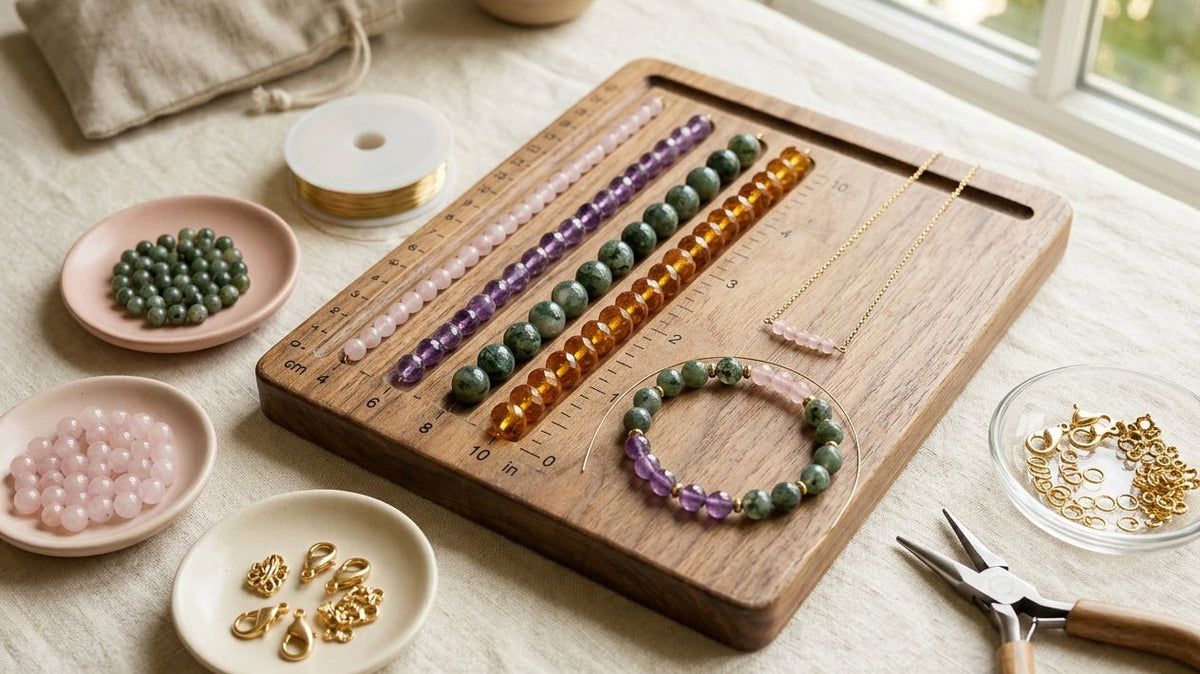
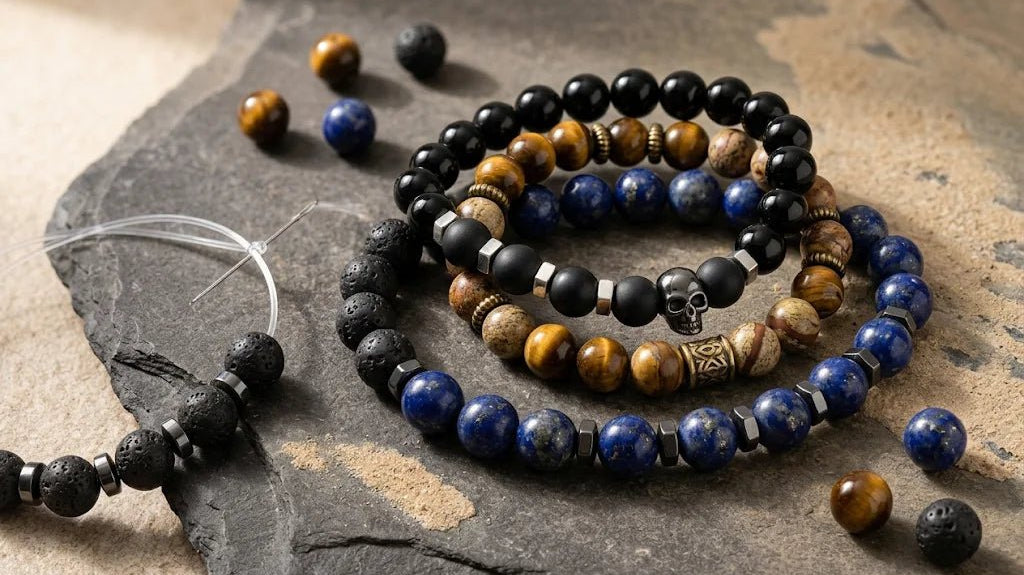
Layered necklaces are a great way to experiment with different colors, textures, and jewelry styles. Instead of relying on a single statement piece, you can combine several strands to create something that feels more personal. And when you're working with gemstone beads, the design possibilities are practically endless.
From delicate amethyst beads to bold turquoise accents, layered gemstone necklaces let you play with natural colors, interesting shapes, and contrasting finishes. The trick is knowing which elements work well together and how to give each necklace enough room to shine.
Whether you're creating a coordinated set or mixing pieces you've already made, this guide covers how to choose gemstone beads, combine colors and shapes, and arrange your necklaces for a balanced, wearable look.
What Makes Gemstone Beads Ideal for Layered Necklaces?
One of the best things about designing with natural gemstone beads is that no two stones look exactly alike. Even beads from the same strand may have subtle differences in color, veining, or translucency, giving handmade jewelry a character that's difficult to replicate with uniform materials.
Gemstones also offer plenty of variety when it comes to texture and finish. Smooth, polished beads create a classic look, while faceted stones catch the light and introduce a little sparkle. Matte finishes, irregular nuggets, and organic shapes can make a design feel more relaxed and earthy.
That versatility is particularly useful when creating layered gemstone necklaces. You might pair a delicate strand of faceted labradorite with larger polished rounds or combine colorful gemstone beads with a simple metal chain.
Gemstones can also make jewelry more meaningful. Birthstones, favorite colors, and stones chosen for their traditional symbolism offer opportunities to create pieces that feel personal.
With so many options available, the challenge isn't finding beautiful beads. It's deciding how to combine them into a cohesive design.
How to Choose Gemstone Bead Sizes and Shapes for Layering
Bead size plays a major role in how layered necklaces look and feel. Smaller beads create delicate strands, while larger stones introduce more visual weight. Combining different sizes allows each necklace to stand out without competing for attention.
Small Beads for Delicate Layering
Small gemstone beads, typically around 2-4 mm, are ideal for creating lightweight necklaces that complement more substantial pieces.
Faceted rounds and petite rondelles work especially well because they add subtle texture without making the strand appear bulky. Consider gemstones such as amethyst, aquamarine, rose quartz, or labradorite for a delicate layer with natural color variation.
You can create a continuous strand of small beads or space individual gemstones along a fine chain for a more minimal look.
Medium Beads for Color and Definition
Gemstone beads in the 5-8 mm range offer a little more presence while remaining versatile enough for everyday jewelry. Round beads are a classic choice, but you can also experiment with faceted stones, ovals, and rondelles to introduce different shapes.
For example, a necklace made with 6 mm amazonite rounds could pair beautifully with a shorter strand of aquamarine beads. The similar colors create continuity, while the different bead sizes help distinguish the layers.
Medium-sized gemstones are also a great place to introduce more saturated colors, especially when the surrounding necklaces are relatively understated.
Larger and Statement Beads
Larger gemstones, generally 10 mm and above, can serve as focal points in a layered design. However, you don't necessarily need an entire necklace made from oversized beads to create an impact.
Try incorporating a few larger stones into a longer strand or using a single gemstone pendant as the centerpiece. Irregular nuggets, elongated beads, and larger faceted stones can also introduce interesting shapes that contrast with smaller rounds.
For a balanced look, consider combining a delicate 3 mm gemstone necklace, a medium 6 mm strand, and a longer necklace featuring a statement gemstone.
How to Mix Gemstone Colors in Layered Necklaces
Choosing the right colors can make the difference between a necklace stack that feels thoughtfully coordinated and one that looks too busy. Fortunately, you don't need to stick with identical gemstones to create a cohesive design.
Build Around a Coordinated Color Palette
Start by choosing one dominant color, then introduce one or two complementary shades. This gives your design a clear direction while leaving room for variety.
For example, if you're working with blue gemstones, aquamarine could serve as your primary stone, with amazonite adding a slightly greener tone and clear quartz beads providing a neutral accent.
You can also use neutral gemstones to balance more vibrant colors. Black onyx, smoky quartz, white jade, and labradorite pair well with a wide range of stones, making them useful additions to your jewelry-making supplies.
As a general guideline, try working with two to four main colors. This provides enough variety to keep your design interesting without making every necklace compete for attention.
Experiment With Monochromatic and Contrasting Designs
A monochromatic palette uses different shades of the same color to create a coordinated look. For instance, pale rose quartz, deeper pink tourmaline, and translucent quartz can create a soft, dimensional combination.
If you prefer something bolder, try pairing contrasting colors. Deep purple amethyst against golden citrine makes a striking combination, while turquoise and carnelian offer a vibrant mix of cool and warm tones.
Metal accents can also help bring different colors together. Repeating gold- or silver-toned spacer beads throughout your necklace stack creates a subtle connection between otherwise distinct gemstone beads. If you're not sure where to start, begin by exploring The Bead Traders' metal beads and findings.
For another way to soften a colorful palette, consider incorporating freshwater pearls between gemstone beads. Their natural luster provides a beautiful contrast to richly colored stones, particularly in designs featuring amethyst, rose quartz, or aquamarine.
Best Gemstone Combinations for Layered Necklaces
Not sure which gemstones to pair together? Some combinations work particularly well because they share similar undertones, creating appealing color contrasts, or offer different textures.
Here are a few gemstone combinations worth experimenting with:
Soft and Romantic: Rose Quartz, Amethyst, and Pearls
Soft pink rose quartz and purple amethyst create a delicate color palette that works beautifully for everyday jewelry or more elegant occasions. Add freshwater pearls to introduce a creamy neutral tone and a different surface finish. A strand of small rose quartz beads, a pearl-accented necklace, and a longer amethyst pendant would make a lovely combination.
Coastal: Aquamarine, Amazonite, and Clear Quartz
For a palette inspired by the ocean, combine the pale blues of aquamarine with the blue-green tones of amazonite. Additionally, clear quartz can add brightness without introducing another strong color.
Try mixing faceted aquamarine rondelles with smooth amazonite rounds to create subtle differences in texture. Finally, silver-toned accents can also complement the cool palette, while gold-toned details introduce a warmer contrast.
Earthy and Warm: Carnelian, Jasper, and Tiger's Eye
If you're drawn to rich, natural colors, carnelian, jasper, and tiger's eye make an excellent combination. Carnelian beads bring warm orange and reddish tones, while jasper offers a variety of earthy patterns and colors. Tiger's eye introduces golden-brown bands and a distinctive reflective quality.
Consider combining smaller carnelian beads with a longer strand of jasper and a few tiger's eye accents. Antique gold- or brass-toned components can complement the warm palette.
Elegant and Natural: Black Onyx, Labradorite, and Smoky Quartz
Neutral gemstones are anything but boring when you combine different finishes and levels of translucency. Black onyx creates a strong foundation, labradorite adds subtle flashes of color, and smoky quartz introduces translucent brown and gray tones.
For a more refined design, pair polished black onyx rounds with faceted smoky quartz and a few larger labradorite beads. Silver-toned metal accents can bring the combination together seamlessly.
Bright and Colorful: Citrine, Turquoise, and Garnet
For jewelry that makes a statement, try combining the golden tones of citrine, the vibrant blues of turquoise, and the rich red of garnet. Because these gemstones have distinct colors, consider allowing one to dominate while using the others as accents.
For example, a turquoise necklace could serve as the centerpiece, with smaller citrine and garnet beads incorporated into surrounding strands. The key is to experiment with proportions rather than giving every gemstone equal attention. A few thoughtfully placed accents can be just as impactful as an entire strand of colorful beads.
How to Layer Necklace Lengths for a Balanced Look
Even the most beautiful gemstone combinations can get lost if every necklace sits at the same length. Giving each strand enough space allows the individual gemstones, colors, and design details to remain visible.
A good starting point is to vary necklace lengths by approximately two inches, although you may need more separation when working with larger beads or pendants.
Here's an example of how you might arrange a four-layer necklace stack:
|
Necklace Length |
Suggested Design |
|
14 inches |
Delicate choker with 2-3 mm gemstone beads |
|
16 inches |
Small freshwater pearls or 4 mm gemstone rounds |
|
18 inches |
Medium-sized gemstone beads with metal accents |
|
20 inches |
Longer chain with a gemstone pendant or focal bead |
These lengths are a starting point. The way each necklace sits will depend on the wearer's neck size, the weight of the gemstones, and the placement of any pendants.
You can also combine fully beaded necklaces with strands that feature only a few gemstones. For example, a delicate gold-toned chain with a single gemstone pendant can provide a visual break between two or more substantial beaded necklaces.
If you're making your own jewelry, The Bead Traders' chain by the foot gives you the flexibility to create necklaces in different lengths rather than relying on predetermined sizes. You can also incorporate gemstone stations, charms, or pendants to customize each layer.
Before attaching your clasps and finishing the necklace, arrange the strands together to check their spacing. A few small adjustments can make a noticeable difference in the finished design.
Finishing Touches That Bring Layered Necklaces Together
Once you've selected your gemstones and planned your necklace lengths, the finishing details can help turn several individual strands into a coordinated jewelry set.
Metal beads and spacers are particularly useful for introducing contrast between gemstones. Small gold- or silver-toned beads can break up continuous strands of color, highlight focal stones, or create a repeating detail across multiple necklaces.
For example, you might add a few gold-toned spacer beads between rose quartz rounds, then repeat that same metal finish in the clasp or pendant setting of another necklace.
Texture is another consideration. Pairing smooth gemstone rounds with faceted beads creates subtle variations, while freshwater pearls can introduce a softer, luminous finish. You don't need every texture in one design, though. A couple of contrasting finishes are plenty.
Don't overlook the practical components, either. Clasps, jump rings, crimp beads, and other jewelry findings help secure your designs and contribute to the overall appearance of each necklace.
When selecting metal beads and jewelry findings, consider how their finishes coordinate with your gemstones and whether the components are suitable for the weight of each strand. Larger gemstone necklaces may require sturdier stringing materials and closures than delicate, lightweight designs.
Common Layering Mistakes and How to Avoid Them
Even well-designed gemstone necklaces can be tricky to wear together. A few practical considerations can help your finished pieces look better and feel more comfortable:
- Necklaces That Tangle: Give each strand enough separation, particularly when combining delicate chains with heavier beaded necklaces. A necklace separator can also help keep multiple clasps organized.
- Heavy Strands Pulling Out of Place: Consider the combined weight of your gemstones. Several necklaces made with large, dense beads may feel uncomfortable or shift throughout the day.
- Hidden Focal Beads: Check where pendants and statement gemstones fall when the necklaces are worn together. Adjusting a strand by an inch or two may help keep important design details visible.
-
Clasps That Slide Forward: Make sure your necklaces are properly balanced, especially when using heavier focal beads or asymmetrical designs.
Frequently Asked Questions About Layered Gemstone Necklaces
How Many Necklaces Should You Layer Together?
Two to four necklaces is a practical starting point, although there's no strict rule. Delicate gemstone strands can be layered more generously, while necklaces featuring larger beads may look better with fewer pieces.
Can You Mix Different Gemstones in One Necklace?
Absolutely! Mixing gemstones within a single necklace can create beautiful color combinations and interesting textures. You can alternate stones in a repeating pattern, group similar colors together, or use contrasting gemstones as accents.
Can You Layer Gemstone Necklaces With Gold or Silver Chains?
Yes. Delicate metal chains pair beautifully with gemstone bead necklaces, particularly when you want to introduce some space between more colorful or substantial strands. You can coordinate metal finishes for a cohesive look or mix gold and silver for a more eclectic style.
How Do You Keep Necklaces From Tangling?
Choose necklaces with noticeably different lengths and avoid placing several heavy strands too close together. Necklace separators can help manage multiple clasps, while adjusting pendant placement may reduce twisting. Some movement is normal, especially when combining chains and beaded strands.
Create Your Next Layered Necklace With The Bead Traders
Your next favorite necklace might start with a strand of colorful gemstones, a few freshwater pearls, or a beautiful focal bead you've been saving for the right project. With the right materials, you can turn those individual elements into layered gemstone necklaces that reflect your personal style.
At The Bead Traders, you'll find a wide selection of gemstone beads, freshwater pearls, chain by the foot, metal beads, and jewelry findings to bring your designs to life. Explore the collections, discover New Arrivals, and start creating necklace combinations that are uniquely yours. U.S. orders over $100 get free shipping.