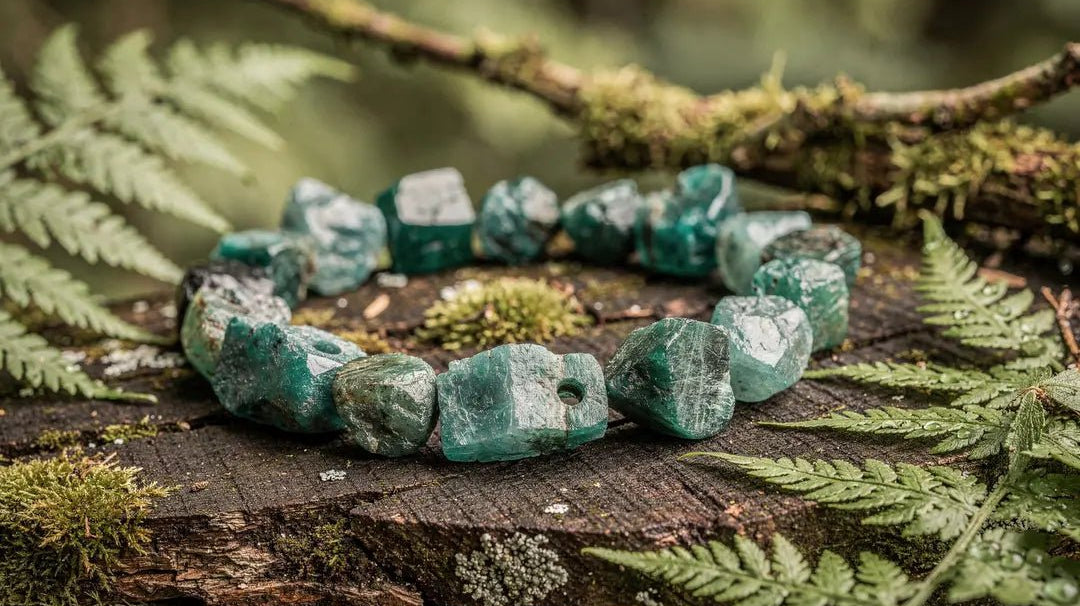
Aquamarine beads are a natural choice for summer jewelry. With their soft blue-to-green tones and ocean-inspired appearance, they bring a light, effortless feel to necklaces, bracelets, and other warm-weather accessories. Whether paired with freshwater pearls, gold accents, or worn on their own, aquamarine sits right in line with the blue gemstone trend running through 2026 jewelry collections.
One of the reasons aquamarine remains so popular among jewelry makers is its versatility. The stone works beautifully in minimalist designs, layered necklaces, and statement pieces alike. Its calming color palette pairs easily with other gemstones and metals, making it a practical option for both beginners and experienced designers.
In this guide, we'll discuss how to make an aquamarine beaded necklace from start to finish. We'll explore how to choose beads, select the right supplies, plan your design, and assemble a finished necklace that reflects your personal style
Why Aquamarine Beads for Jewelry Making Are Perfect for Summer
Aquamarine is a blue to greenish-blue variety of beryl prized for its clear, water-like appearance and subtle light-catching abilities. Its name comes from the Latin aqua marina, meaning "sea water," a fitting description for a gemstone that often resembles tropical ocean tones. With a Mohs Hardness Scale rating of 7.5 to 8, aquamarine is durable enough for everyday jewelry while maintaining its airy, everyday look.
That ocean-inspired quality is what makes aquamarine beads for jewelry making particularly popular during the summer months. The soft blue palette pairs effortlessly with seasonal staples, like white linen, denim, sundresses, and lightweight resort wear. And, depending on the design, aquamarine can feel minimalist and modern, beach and relaxed, or refined and polished.
Consider this your new go-to guide for using aquamarine beads for jewelry making. Below, we're discussing how to use them, why they stand out, and what to consider when making your necklace.
Choose Your Summer Necklace Style Using Aquamarine Beads
Before selecting beads and supplies, think about how you want your finished piece to look. Aquamarine is surprisingly versatile, making it work well across a wide range of styles. Knowing this, having a clear direction in mind can make it easier to choose bead sizes, accents, and findings that support the overall look.
Here are a few summer-friendly aquamarine necklace styles worth considering:
Minimalist Single-Strand Necklace
A simple strand of aquamarine beads is one of the easiest and most versatile summer necklaces to create. For example, pair 8mm aquamarine rounds with a few subtle metal spacers and a clean clasp for a design that feels polished without becoming overcomplicated.
The beauty of this style lies in its versatility. It works just as well with a linen button-down as it does with a flowy sundress or lightweight denim. Because the design is understated, it also layers easily with other necklaces and won't compete with the rest of your pieces.
Coastal Aquamarine and Pearl Design
Pairing aquamarine beads with freshwater pearls creates a soft coastal-inspired necklace that feels effortless and refined. The soft blue tones of the aquamarine complement the natural luster of the pearls, resulting in a color palette that evokes ocean water, sea glass, and summer shorelines.
Beyond their visual appeal, pearls help break up the blue tones and add balance to this design. The combination keeps the necklace feeling light, fresh, and versatile enough for everyday wear while still offering a slightly elevated look.
Interested in learning more? We discuss a similar concept in our Color Theory Guide!
Modern Mixed-Metal Necklace
Adding metal accents is an easy way to give an aquamarine necklace a more contemporary feel. Pairing aquamarine beads with gold-filled or sterling silver components can completely change the mood of the design, keeping the stone as the focal point.
More specifically, gold-tone findings create a warm, sunlit contrast against aquamarine's cool blue hues, making them a natural fit for summer jewelry. On the other hand, sterling silver offers a cleaner, more understated look that feels crisp and refined, making it beautiful for dressier occasions or even wearing. If you're interested in previewing your options, visit our selection of metal beads and findings!
How to Make a Necklace Using Aquamarine Beads
Creating jewelry, especially as a beginner, can often feel intimidating. However, the process is much more straightforward than many realize. Below, we will walk through everything you need to know about using aquamarine beads for jewelry making.
Here's what you need, what to keep in mind, and what to expect:
Gather the Materials Before You Start
Before assembling your necklace, make sure to gather all of your materials in one place. For most aquamarine designs, you'll need aquamarine gemstone beads, flexible bead wiring, crimp beads or tubes, a clasp, jump rings, wire cutters, and crimping pliers. Many jewelry makers prefer 49-strand beading wire, as it offers excellent flexibility and creates a smooth, professional looking drape.
Additionally, a board or bead mat can make this design process much easier, helping you plan spacing and visualize the finished necklace before stringing.
Optional Accent Materials
Small additions can change the necklace's entire appearance. For example, depending on your chosen style, you may also want to incorporate freshwater pearls, metal spacer beads, or other accent beads for added texture and contrast.
Beyond this, gold spacer beads can make a necklace evening-ready. A short chain extender can add flexibility. A single pendant or charm turns a simple strand into a focal piece. As you can see, there are various design elements that can alter your piece's entire aesthetic.
At The Bead Traders, we offer gemstone beads, freshwater pearls, metal beads and findings, and chain by the foot, making it easy to source coordinating materials for your project from a single, high-quality supplier.
Plan the Necklace Length and Bead Layout
Before you begin stringing, decide on your finished necklace length. Chokers generally measure 14-16 inches, collarbone-length necklaces (also known as princess necklaces) fall around 17-19 inches, and matinee styles generally range from 20-24 inches. For most wearers, however, a collarbone-length necklace offers the most versatility.
Next, arrange your beads on a bead board or bead mat. Planning your layout in advance allows you to test spacing, adjust accent placement, and evaluate the overall balance before making anything permanent.
Additionally, pay particular attention to color distribution. Natural aquamarine beads vary slightly in tone and saturation, so it's best to spread darker or more vibrant beads throughout the necklace. If you're interested in a deeper overview of this topic, make sure to read our Beading 101 Guide next!
Keep the Design Balanced but Not Too Perfect
As we mentioned above, natural gemstone beads aren't precisely uniform—and that's a good thing! Subtle variations in color, clarity, and size give handmade jewelry character, helping distinguish it from mass-produced pieces.
However, this is essential to keep in mind when creating a necklace. Rather than aiming for perfect symmetry, focus on creating visual balance throughout the necklace. Distribute darker, lighter, larger, and smaller beads evenly across the design. Doing so ensures that no single area feels noticeably heavier than another. If one bead stands out, try loosely echoing that visual weight elsewhere in the strand to keep things balanced.
Use Spacers to Add Shape and Shine
Spacer beads can add definition, contrast, and visual interest to an aquamarine necklace without overwhelming the design. Metal spaces, small freshwater pearls, and seed beads are all popular choices for breaking up larger gemstone beads.
The key, however, is restraint. A few well-placed spacers can help highlight focal beads, add subtle shine, and create a sense of rhythm throughout the strand. In many designs, all you need is 2 or 3 spacers on either side of the focal bead. When used thoughtfully, this design style helps showcase the beauty of the aquamarine rather than compete with it.
Don't stop reading after this post. Make sure you also visit "What Are Spacer Beads and How Can You Use Them?"
String and Secure the Necklace
Cut your beading wire approximately 5-6 inches longer than your intended necklace length. Begin by threading a crimp bead and one end of your clasp onto the wire. Loop the wire back through the crimp bead, then use the crimping pliers to secure it in place.
Next, string the aquamarine beads according to the layout you designed on your bead board. Taking the time to plan the arrangement before makes this step much smoother. It also helps ensure an even distribution of color and accents!
Once all of your beads are in place, add the second crimp bead and the remaining clasp component. Loop the wire back through the crimp bead, gently pull the strand snug, and secure the crimp with your pliers. Make sure that necklace feels secure while still allowing the beads to move naturally along the strand.
If you're stuck on this step, our post, "Crafting with Gemstone Beads: Step-by-Step DIY Jewelry Guide," can be an incredibly helpful tool.
Check the Drape Before Finishing
Before permanently crimping the second end, take a moment to check how the necklace hangs. Gently hold it up or try it on to make sure the beads drape naturally and move freely along the wire.
If the strands are too tight, loosen it slightly before securing the crimp. Beads that are packed too closely together can make the necklace feel stiff and place unnecessary stress on the beading wire over time.
Ultimately, a little flexibility helps the necklace sit more comfortably and gives it fluid, effortless motion that's ideal for summer jewelry.
Finish the Ends Neatly
Once the necklace is fully secured, trim any excess wire as close to the crimp as possible using flush wires or wire cutters. Clean cutters are most ideal, as they help prevent snagging and give the finished piece a more professional appearance.
For a more elevated look, consider using the crimp covers to conceal the flattened crimp beads. These small findings create a cleaner transition between the necklace and clasp while helping the finished design look more polished.
Before calling your project complete, test the clasp a few times to ensure it opens and closes smoothly. These final details may seem minor, but they're often what distinguishes a professionally finished necklace from a beginner project.
Congratulations! You just made your aquamarine bead necklace!
Make the perfect summer necklace using aquamarine beads from The Bead Traders.
An aquamarine necklace is one of the most versatile, stunning summer projects a jewelry maker can create. Not only does the material do a lot of the work visually, but the construction is straightforward once you plan your layout. The key? Choosing quality beads, taking your time with the design before stringing, and finishing the ends properly.
At The Bead Traders, we pride ourselves on quality beads that our customers can count on. Plus, U.S. orders over $100 ship free with free returns!