FREE SHIPPING & FREE RETURNS | 1st CLASS USPS for orders $100+ in the US.
Identify Authentic Natural Stone Beads: Testing Guide - The Bead Traders

Identify Authentic Natural Stone Beads: Testing Guide

Under the bright craft-lamp glow, Sarah lined up her newest strands of beads, each one promising a fresh start on her next bracelet. Yet beneath her loupe's lens, the 'turquoise' looked mechanically uniform, the 'jade' weighed oddly light, and the 'amber' bore a glassy sheen. After years of preserving both fresh ingredients and fine jewelry, she knew that true quality reveals itself in the details.

Are your natural stone beads authentic or cleverly disguised imitations?

How to Identify Natural Stone Beads: Your Ultimate Guide

Accurate identification makes the difference between creating heirloom-quality jewelry and wasting money on synthetic materials. Real stones bring unique character, durability, and value to your projects that fakes simply can't match.

This guide covers proven testing methods, common counterfeits, smart shopping strategies, and creative project ideas to help you work with confidence:

  • Testing methods (visual, tactile, sound, chemical)
  • Common counterfeits (agate, turquoise, jade, lapis, amber)
  • Insider shopping tips & sourcing advice
  • Creative project ideas with genuine beads

Why Natural Stone Beads Matter

Genuine stones carry stories written in their formation over millions of years. Each bead displays unique inclusions, color variations, and surface textures that synthetic materials struggle to replicate.

Real gemstones offer superior durability and aging characteristics. They maintain their beauty over time. The weight, temperature, and tactile qualities of authentic stones create a sensory experience that plastic and glass imitations can't provide.

Key Methods to Spot Genuine Natural Stone Beads

Visual Inspection

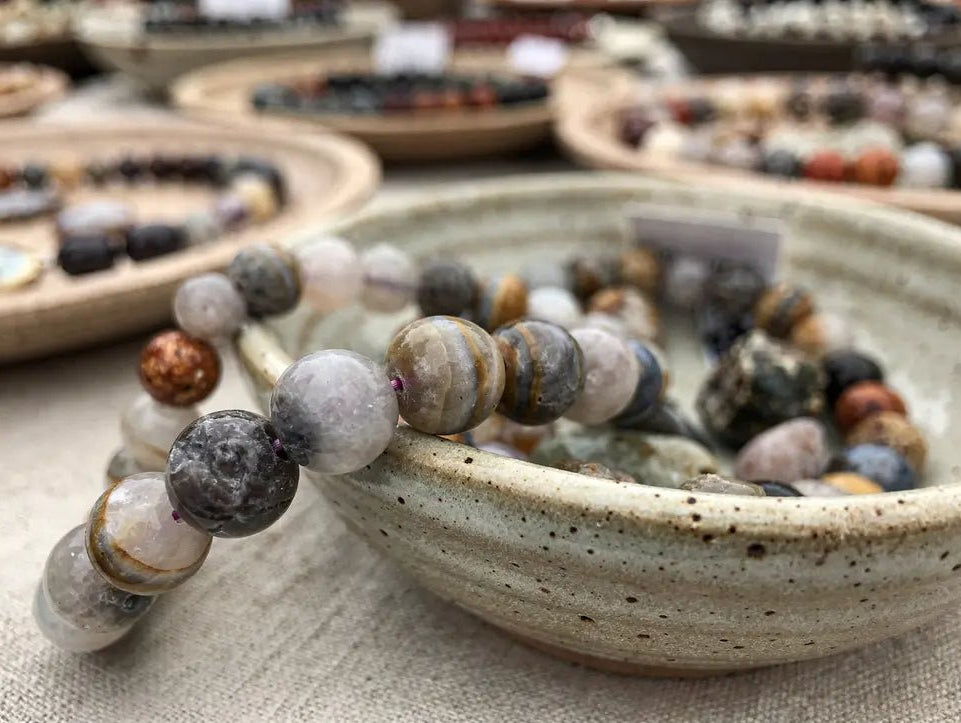
Natural stones contain blemishes, flaws, and imperfections that make each bead unique. No two natural beads are exactly the same, so perfect uniformity signals synthetic origin.

Look for natural inclusions, slight color variations, and organic veining patterns. Real stones rarely display the flawless, consistent appearance of manufactured materials. Synthetic beads often show too-perfect color distribution and lack the subtle depth found in natural formations.

Examine the surface closely. Authentic stones will have grooves and divots you can feel with your fingernail, while synthetic materials tend to have smoother, more uniform surfaces.

Tactile & Weight Tests

Temperature provides a reliable initial test. Natural stones feel cool to the touch and take time to warm up in your hand. Glass and plastic imitations feel warm almost immediately.

Weight offers another clue. Real stones have a density that gives them substantial heft compared to their size. Plastic beads feel noticeably lighter, while glass falls somewhere between natural stone and plastic. Both amber and copal feel warm to the touch, while glass remains cool.

Sound & Scratch Tests

Tap beads together gently. Natural stones produce a clear, ringing tone, while plastic creates a dull thud, and glass makes a sharper clink.

The Mohs hardness scale helps verify authenticity through scratch testing. Each type of crystal or gemstone has a predetermined level of hardness that you can test against known materials.

Use a steel pick or a glass surface to test scratch resistance. Genuine quartz (hardness 7) should scratch glass, while softer stones like calcite (hardness 3) will scratch easily with a copper penny.

Drill Hole Examination

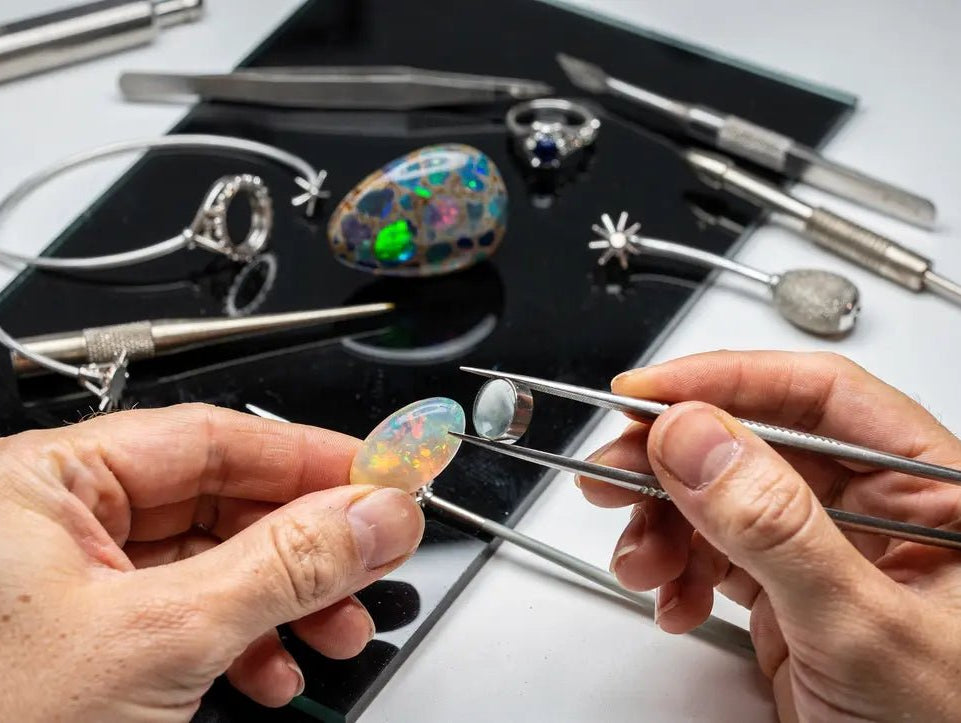
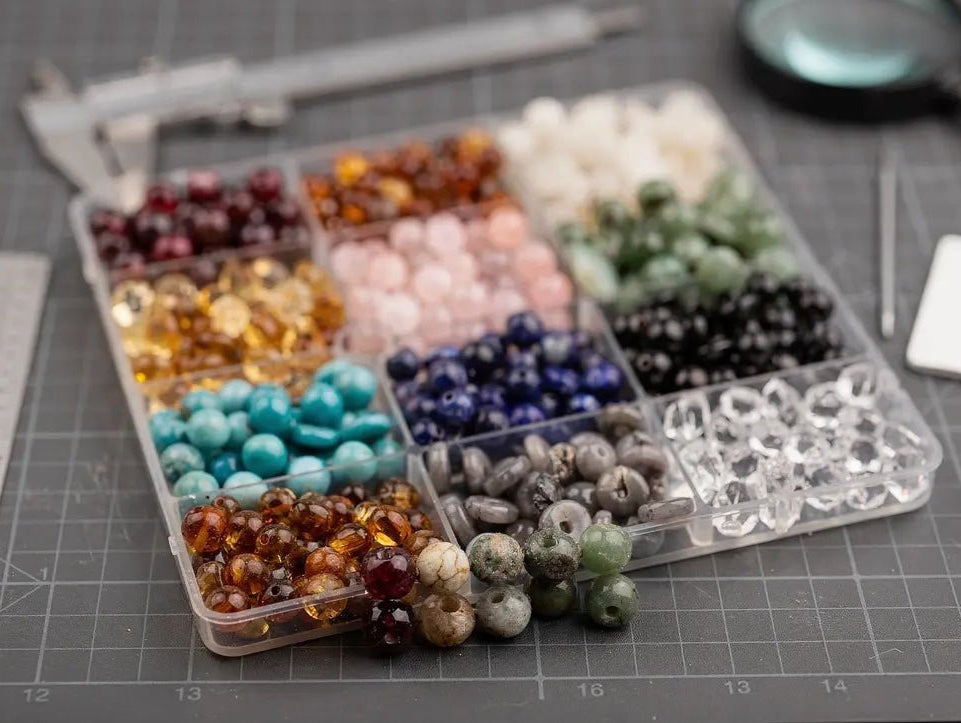
Inspect the edges around drill holes with a magnifying glass. Natural stones often show small chips, irregularities, and natural fracture patterns around holes. The drilling process reveals the stone's internal structure and hardness characteristics.

Synthetic materials typically show smooth, polished holes with consistent edges. The drilling creates different patterns in natural versus manufactured materials due to varying density and composition.

UV & Light Tests

Some natural stones fluoresce under ultraviolet light, but this test requires careful interpretation. Polymer impregnated jade may glow under UV light, while natural jade shows no glow.

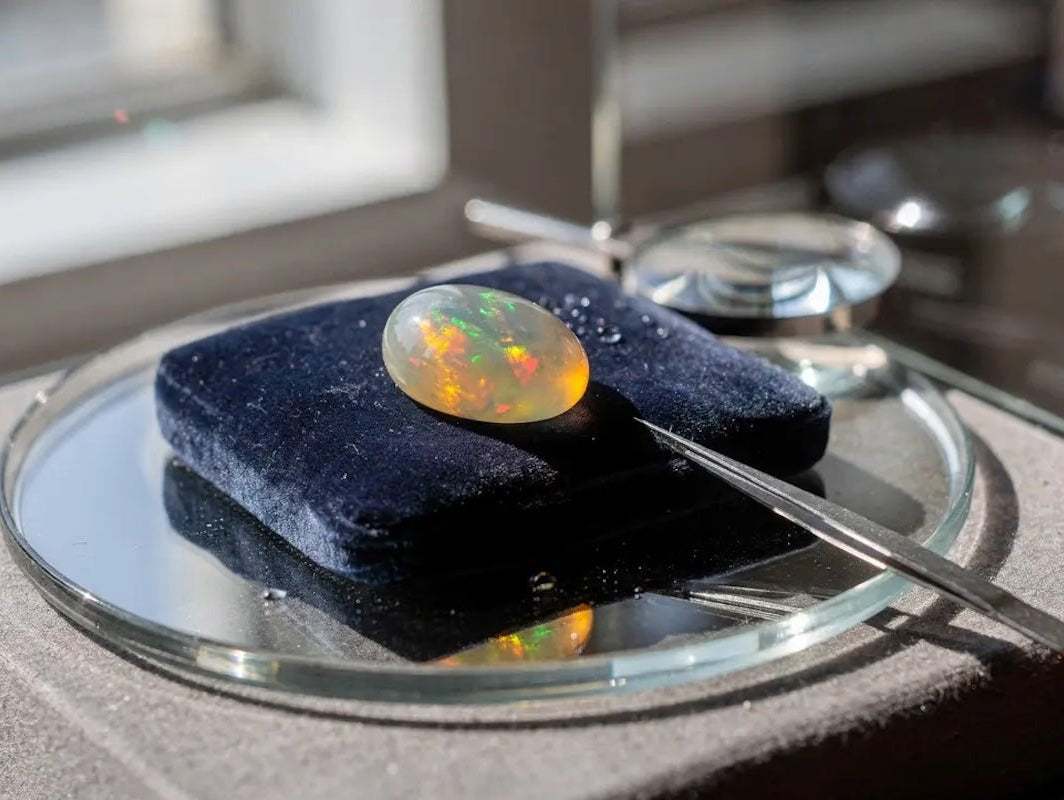
Hold beads up to bright light to examine internal structure. Natural stones often show internal inclusions, fractures, or color zoning that synthetic materials lack. Be aware that some dyed stones can fluoresce, leading to false positives.

Chemical Testing

Use weak acids or solvents carefully to reveal dyes or fillers. Apply a small drop of acetone to an inconspicuous area - dyed stones may show color bleeding.

Always work in ventilated areas with protective gear. Test only small, hidden areas to avoid damaging valuable beads. This method works best for detecting surface treatments rather than identifying stone type.

Certification & Provenance

Request lab reports, authenticity certificates, or origin documentation from sellers. Reputable dealers provide transparent information about treatments, enhancements, and sourcing.

Research vendor reputation through reviews, industry associations, and return policies. Established dealers stake their reputation on accurate descriptions and authenticity guarantees.

Common Natural Stone Beads That Are Often Faked

Certain stones command high prices and attract imitation due to their popularity, rarity, or cultural significance. Understanding common counterfeits helps you make informed purchases.

Agate

Natural agate displays subtle color variations and organic banding patterns. Artificially dyed agate shows unnaturally bright, uniform colors that don't occur in nature.

Check for color bleeding by rubbing with acetone. Genuine agate's colors penetrate throughout the stone, while dyed versions may show surface color that wipes away.

Turquoise

Most fake turquoise is made of dyed howlite or magnesite. These materials take dye well but lack turquoise's natural hardness and density.

Examine the matrix lines carefully. On genuine turquoise, these lines are sunk into the stone itself, while fake pieces may have painted or surface-applied lines.

Real turquoise varies in color from blue to green with natural irregularities. Dyed substitutes often show more uniform coloring and lack the subtle depth of genuine material.

Jade (Nephrite & Jadeite)

Polymer-impregnated jade requires advanced testing for positive identification. Positive identification requires advanced instrumentation such as FTIR.

Glass-filled jade feels lighter and may show air bubbles under magnification. Dyed jade often displays unnatural color intensity and lacks the subtle translucency of genuine material.

Lapis Lazuli

Genuine lapis lazuli contains natural pyrite flecks and white calcite veining. If lapis lazuli is simply too uniformly blue and cheap to buy, then it's probably fake.

Dyed howlite lacks the density and hardness of real lapis. The specific gravity difference helps identify imitations - genuine lapis feels noticeably heavier than dyed substitutes. Measure specific gravity to distinguish composites like dyed howlite (SG ~2.6) from lapis (SG 2.7–2.9).

Amber

Several simple tests distinguish real amber from copal and synthetic materials. Rub amber vigorously with a soft cloth - real amber will generate static electricity.

The hot needle test provides definitive results. Stick a heated needle into a discreet place - if you smell definite pine-tree resins it means it is genuine amber.

Genuine amber will float in salt water while most fakes will sink. This density test works well for quick identification.

Insider Tips for Buying Authentic Natural Stone Beads

Source from specialty bead shops (such as The Bead Traders), reputable online retailers, and established gem fairs. These venues typically maintain quality standards and offer return policies for misrepresented items.

Ask sellers specific questions about treatment history, country of origin, and enhancement processes. Legitimate dealers provide detailed information about their products and sourcing practices.

For large orders, request a sample purchase first. Examine beads closely with magnification and compare to reference materials before committing to bulk quantities.

Verify seller credentials through industry associations, customer reviews, and business history. Established dealers value their reputation and stand behind their authenticity claims.

Creative Jewelry & Design Projects with Natural Stone Beads

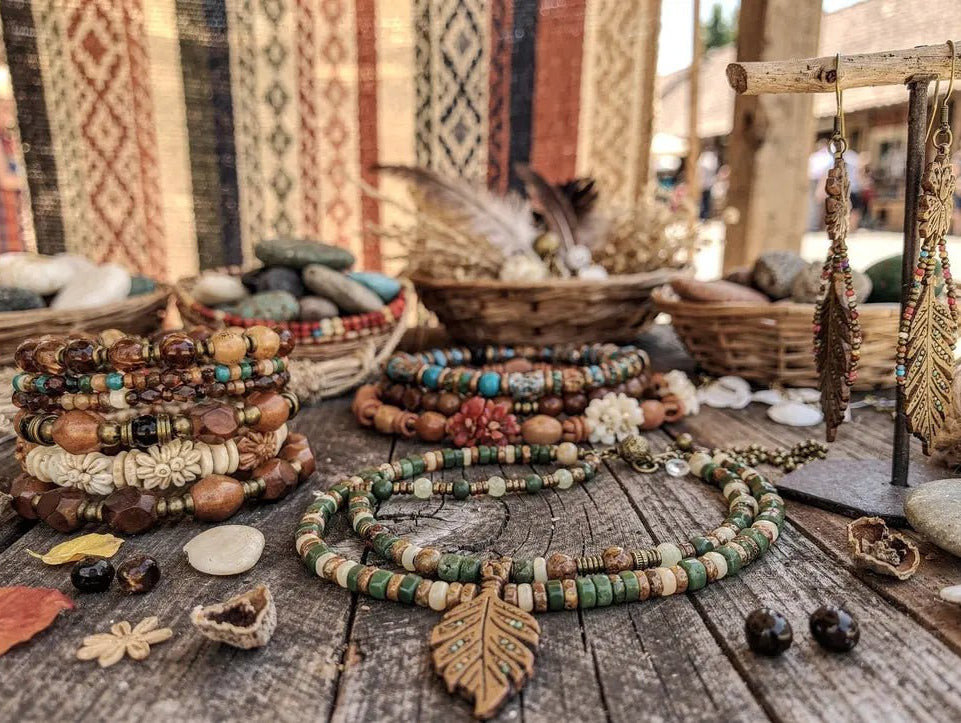
Boho-Chic Stretch Bracelet

Combine amazonite's soft blue-green with hematite's metallic gray for a striking contrast. Use 8mm beads in color-blocking patterns - three amazonite, one hematite, repeat. The natural variations in each stone create an organic rhythm.

String on elastic cord for comfortable wear. The weight difference between stones adds tactile interest as the bracelet moves on your wrist.

Statement Pendant Necklace

Feature a large focal bead like 20mm labradorite surrounded by smaller complementary stones. Use 4mm moonstone spacers and sterling silver accents to create visual flow.

The labradorite's natural flash plays beautifully against the moonstone's subtle shimmer. Vary the spacing to create organic, asymmetrical balance.

Elegant Drop Earrings

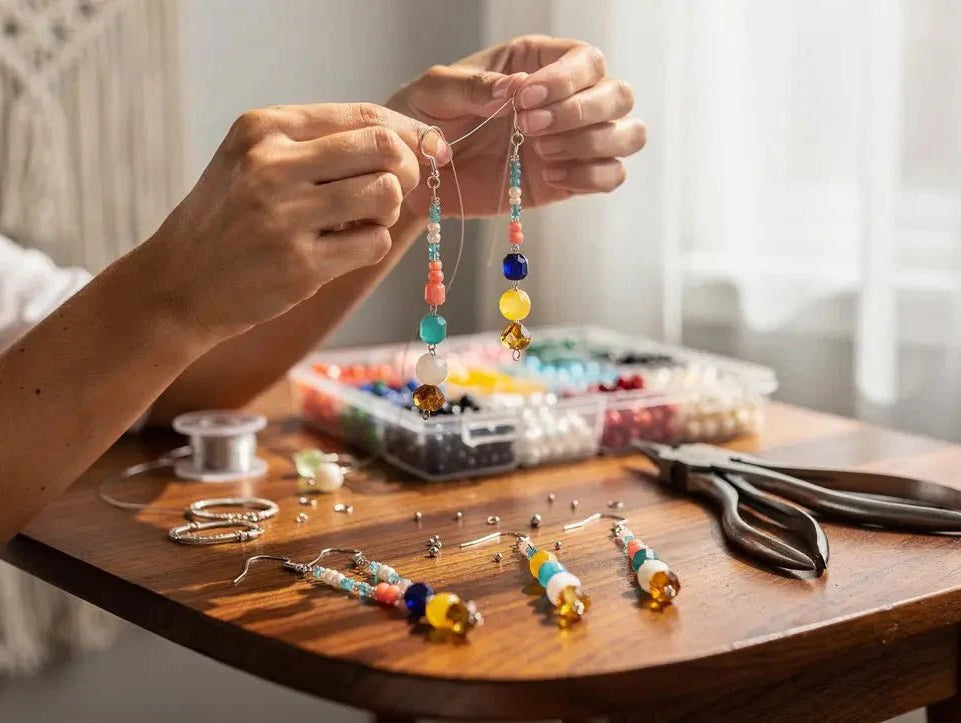
Pair small gemstone beads with simple wire-wrapped findings. Use 6mm rose quartz or amethyst beads with sterling silver headpins for classic elegance.

The natural color variations in each stone ensure no two earrings are identical, adding handmade charm to the finished piece.

Home Décor Accents

Create beaded garlands using mixed natural stones for seasonal decorating. Combine warm carnelian and citrine for autumn, or cool aquamarine and moonstone for winter themes.

Fill decorative bowls with polished stone beads for textural interest. The natural weight and coolness create satisfying sensory experiences.

Care & Maintenance for Your Natural Stone Beads

Your safest bet for cleaning gemstone beads is to use a lukewarm solution with a few drops of dish detergent. Let time and gentle scrubbing do the work rather than harsh chemicals.

Use soft cloths and avoid abrasive materials that could scratch delicate surfaces. Clean by gently rubbing each bead using a soft cloth with mild soap and water.

Store beads properly to maintain their beauty. All beads should be stored away from direct sunlight - colors can fade if exposed to prolonged sunlight. This affects even natural colors in rose quartz, amethyst, and citrine.

Use separate compartments or soft pouches to prevent scratching between different hardness levels. Maintain room temperature storage and consider silica packets for moisture control.

Avoid exposure to chemicals, extreme temperatures, and prolonged sunlight. These conditions can cause color changes, structural damage, or surface deterioration in natural materials.

Conclusion

Identifying authentic natural stone beads requires combining visual inspection, tactile testing, and knowledge of common counterfeits. The investment in genuine materials pays dividends in durability, beauty, and long-term value.

Remember that each natural stone tells a unique story through its inclusions, color variations, and surface characteristics. These imperfections aren't flaws - they're proof of authenticity and natural origin.

Start your next jewelry project with confidence by applying these identification techniques. Your creations will reflect the genuine beauty and lasting quality that only authentic natural stone beads can provide.

Read more
Lava Beads Benefits: Science, Spirituality, and Wellness Use - The Bead Traders

Lava Beads Benefits: Science, Spirituality, and Wellness Use

Imagine holding a piece of Earth's molten heart in your palm—still warm, porous, and alive with energy. Lava beads carry this primal connection, bridging the gap between science and spirituality in ways that continue to fascinate both geologists and wellness enthusiasts.

This guide covers lava bead formation, cultural power, and practical uses—you'll learn how volcanic forces create these remarkable stones, why ancient traditions valued them, and how to integrate their benefits into your wellness routine.

Unlocking Lava Beads Benefits: The Science and Spirituality of Volcanic Gemstones

The Fiery Roots: Geological Origins of Lava Beads

Lava beads begin their journey in Earth's most extreme environment. When volcanic magma erupts at temperatures between 1100°F and 2400°F, it encounters air or water and cools rapidly. This sudden temperature change creates basalt—a fine-grained igneous rock that forms the foundation of our ocean floors and covers approximately 70% of Earth's surface (Fire Mountain Gems).

The rapid cooling process traps gases within the molten rock, creating the characteristic porous texture that makes lava beads so distinctive. These tiny holes, formed as gases escape during solidification, give lava beads their remarkable absorption properties. The mineral composition typically includes feldspar (about 65% of the total), pyroxene, and olivine—creating a durable yet porous structure. According to Gemlab, basalt also carries significant magnesium and iron silicate content, which contributes to its durability and heat-retention properties (Gemlab).

This unique geological formation directly contributes to lava beads' benefits in practical applications. The porous nature allows them to absorb and slowly release essential oils, while their mineral composition provides the thermal properties that make them effective for heat therapy applications.

Lava Beads Benefits in Culture: Spiritual Symbolism Across Traditions

Ancient Hawaiian culture viewed lava as the physical manifestation of Pele, the volcano goddess. Hawaiians believed lava beads carried her fiery energy, representing strength, courage, and protection. They incorporated these beads into lei and other ceremonial jewelry, creating a tangible connection between the wearer and the land's spiritual power (Primal Pendants, The Sacred Hawaiian Way).

Buddhist and Hindu traditions embraced lava beads for meditation practices. Traditional mala beads, consisting of 108 beads, serve as counting tools during prayer and meditation. Each of the 108 beads symbolizes a mantra repetition or intention, deepening focus during practice (Symbolic Secrets). Lava stone malas specifically connect to the Root Chakra—the body's center of stability and grounding. Tibetan Buddhism recognizes lava's purifying properties, using it in rituals designed to dispel negative energy (Buddha Groove).

These spiritual applications share common themes across cultures: transformation, resilience, and protection. The volcanic origin story—rock born from fire and shaped by Earth's most powerful forces—naturally symbolizes the human capacity for growth through adversity.

Lava Beads Benefits for Wellness: Therapeutic Applications

Modern wellness practices have rediscovered the practical lava beads benefits that ancient cultures intuited. The porous structure that formed during volcanic cooling now serves as a natural diffuser system for aromatherapy applications.

Essential oil absorption works through simple physics. According to Vivorific, a few drops of oil allow lava beads to diffuse aroma throughout the day. Quality lava beads can hold essential oils and provide sustained aromatherapy benefits.

Popular oil combinations include lavender for relaxation, peppermint for energy and alertness, citrus oils for mood enhancement, eucalyptus for respiratory support, and frankincense for grounding (Aromatherapy Naturals).

Grounding applications tap into lava beads' connection to Earth's core energy. Many users report improved emotional stability and reduced anxiety when wearing lava bead jewelry during stressful situations, providing a sense of stability and calm. The physical act of touching the beads provides a tactile anchor, while their symbolic connection to Earth's strength offers psychological comfort.

Heat therapy represents another practical application. Warmed lava beads retain heat effectively due to their mineral composition. Spa treatments incorporate heated lava beads in massage therapy (Beads.co), combining thermal benefits with essential oil aromatherapy for muscle tension relief and improved circulation. Joint pain relief can also be achieved through massage with lava rock on affected areas (AtPerry's Healing Crystals).

Maximizing Lava Beads Benefits: Choosing, Caring, and Using Your Beads

Authentic lava beads display specific characteristics that distinguish them from synthetic alternatives. Genuine volcanic beads range from deep black to brown, with occasional red hues depending on their mineral content. They maintain a matte texture with unique pits and patterns—no two beads look identical (All Things Jewelry; Karma & Renewal).

The surface should feel slightly rough to the touch, and authentic beads resist color fading during cleaning. High-quality lava beads maintain their structural integrity and absorption properties over time. Browse our Gemstone Beads collection for lava bead sizes ranging from 8 mm (ideal for bracelets) up to 14 mm (great for statement necklaces).

Proper care preserves the porous structure and extends bead life. Regular maintenance options include:

  • Soft cloth or brush with mild soap and water for surface cleaning
  • Diluted vinegar solution for deeper oil removal (Buddha & Karma)
  • Sea salt soaks for purification and energetic cleansing
  • Sage smudging for clearing negative energy
  • Sun or moonlight exposure for recharging

Avoid harsh chemicals or ultrasonic cleaners that might compromise the bead's natural texture. Discover fresh lava bead designs in our New Arrivals section—free U.S. shipping on orders over $100.

Real Stories & Science: User Tales and Expert Views

User testimonials consistently report positive experiences with lava bead jewelry. One meditation practitioner noted: "I find renewed calm whenever I hold my lava stone necklace during meditation" (Alexa Martha Designs). Others describe improved stress management and enhanced focus during challenging situations, with many wearers experiencing significant impact on emotional and physical well-being (Talisa).

Product reviews for lava rock bracelets used in aromatherapy applications show average ratings of 8.5 out of 10 (The Review Index), with users praising their effectiveness for stress relief and daily wellness support. Many report that the combination of tactile grounding and aromatherapy benefits exceeds their expectations.

Scientific perspective requires balanced consideration. The therapeutic properties of lava beads largely stem from well-documented aromatherapy benefits and psychological comfort rather than mystical properties (Oil Therapy Central). The physical characteristics that make them effective—porosity for oil absorption, thermal properties for heat retention, and tactile qualities for grounding—represent geological features.

When lava beads serve as delivery systems for proven therapeutic approaches, their benefits become more scientifically grounded.

Conclusion: Your Lava Beads Journey

Start your lava bead experience today and tap into millions of years of volcanic energy. Their journey from Earth's molten core to your jewelry box carries both scientific fascination and spiritual significance.

The lava beads benefits extend beyond their volcanic origins to encompass aromatherapy, grounding practices, and stress relief applications. Their porous structure, formed by ancient volcanic processes, now serves modern wellness needs through essential oil diffusion and tactile comfort.

Consider experimenting with lava bead jewelry as part of your wellness routine. Start with a simple bracelet or mala, add your favorite essential oils, and observe how this ancient volcanic gift supports your daily well-being. Connect with Earth's fiery energy for lasting grounding and transformation—one bead at a time.

Explore our Gemstone Beads—free US shipping on orders over $100.

Read more
Stone Bead Sourcing and Quality Guide - The Bead Traders

Stone Bead Sourcing and Quality Guide

A jewelry designer recently shared her story: after investing $500 in what she thought were premium jasper beads, her signature necklace collection began showing white chalky patches within six months. High-quality gemstones exhibit crystal-clear appearance with vibrant colors, but her beads were clearly treated with unstable dyes. The lesson? Understanding stone bead quality separates amateur work from professional results that last decades.

For collectors and jewelry designers, knowing how to identify, source, and evaluate quality materials protects your investment and reputation. These expert tips will help you make informed decisions that transform your jewelry from craft projects into heirloom pieces.

Plus, enjoy free U.S. shipping and returns on orders over $100 at The Bead Traders, making it easier than ever to build your collection of premium stone beads.

Why Quality Stone Beads Are Worth the Investment

High-quality stone beads transform your jewelry from craft projects into heirloom pieces. The visual impact is immediate - superior beads display rich, saturated colors that catch light beautifully. Their consistent sizing creates smooth, professional lines in finished pieces.

Durability matters more than initial cost savings. Quality beads resist chipping, cracking, and color fading through daily wear. You'll spend less time replacing broken components and more time creating. Your customers notice the difference too. Professional gemstone testing shows that properly sourced stones maintain their properties over decades.

The long-term benefits extend beyond durability. Quality stone beads hold their value, making your finished pieces collectible. Customers pay premium prices for jewelry they trust will last. Your reputation grows when clients receive compliments on pieces that still look stunning years later.

Cheap alternatives often contain treatments that fail over time. Dyed stones fade. Stabilized materials crack. Synthetic substitutes lose their appeal quickly. Quality natural stone beads age gracefully, developing character that adds to their beauty.

How to Identify High-Quality Stone Beads

Visual Characteristics to Inspect

Start with color evaluation. High-quality gemstones exhibit crystal-clear appearance with vibrant colors, while inferior stones look muddy or artificially bright. Authentic beads feature uniform color throughout, as noted by BeadsAtBeads, preventing uneven hues in your final design. Natural variations in color add character, but the overall tone should remain consistent across your strand.

Examine clarity carefully. Natural inclusions differ from damage - they appear as internal patterns or mineral deposits that formed during the stone's creation. Fractures and chips indicate poor handling or inferior material. Quality beads show good translucency where appropriate for the stone type.

Surface finish reveals processing quality. Run your fingers along each bead. Quality pieces feel smooth without pits, scratches, or residue. A well-polished surface can make even a stone with inclusions stand out with remarkable brilliance.

Check drill holes for consistency. Clean, straight holes indicate careful manufacturing. Rough or chipped holes suggest rushed production that compromises the bead's integrity.

Physical Tests and Inspection Tools

The Mohs hardness test helps verify stone authenticity. The Mohs Hardness Scale offers a comparative system based on ten reference minerals, from talc to diamond. Scratch testing in inconspicuous areas can confirm if your beads match expected hardness levels for their claimed material.

Use a magnifier or jeweler's loupe for detailed inspection. Look for micro-fractures, tool marks, or inconsistencies that indicate poor quality. Professional-grade beads show clean, precise work under magnification.

Weight testing provides valuable clues. Specific gravity measurements often form part of larger gemological examination for high-value pieces. Compare your beads' weight to known standards - significantly lighter beads might be synthetic or heavily treated.

Spotting Common Treatments and Enhancements

Most stone beads receive some enhancement. Heat treatment permanently enhances color and clarity by applying heat, with different stones requiring specific temperatures. This treatment is generally acceptable and permanent.

As the International Gem Society reports, almost all turquoise beads undergo stabilization; look for resin-filled pores and verify with lab reports. Dyeing creates unnaturally vivid colors that concentrate in cracks and porous areas. Look for color pooling or uneven saturation. Stabilization fills pores with resin or polymer to strengthen the stone and improve color, particularly common in turquoise.

Bleaching removes natural color, often followed by dyeing. Bleached stones may appear chalky or have an artificial uniformity. Coating treatments add surface layers that can wear off over time.

Always ask suppliers about treatments. Reputable certification will identify whether beads are natural, treated, composite, or synthetic. Honest dealers disclose enhancements upfront.

Sourcing Quality Stone Beads

Choosing Reputable Suppliers and Gemstone Dealers

Start with certified dealers who belong to professional organizations. The American Gem Trade Association requires members to disclose all gemstone treatments and enhancements. These suppliers stake their reputation on quality and honesty.

Attend gem and mineral shows where you can examine beads in person. Trade shows attract serious dealers who understand quality standards. You can compare multiple suppliers side-by-side and build relationships with vendors.

Check credentials and certifications. Look for GIA training, gemological education, or industry affiliations. Experienced dealers can educate you about specific stones and their characteristics.

Read reviews and ask for references from other jewelry makers. Professional suppliers should provide contact information for satisfied customers who can vouch for their quality and service.

Navigating Online Marketplaces with Confidence

Our website features detailed product pages with multiple high-res images, drill-hole views, and sizing charts to help you choose stone beads with confidence. Browse our gemstone bead collection for consistent sizing and full product specs. Check our New Arrivals for the latest cuts and colors as well.

Read product descriptions carefully. Quality sellers specify stone origin, treatments, size variations, and strand lengths. Vague descriptions often hide quality issues.

Check seller ratings and feedback. Customer feedback praising "quality beads well-packaged and shipped promptly" indicates reliable suppliers. Look for comments about color accuracy and consistency.

Start with sample orders before making large purchases. This lets you evaluate quality firsthand without major investment. Establish relationships with suppliers who consistently meet your standards.

Understand return policies. Reputable sellers offer satisfaction guarantees because they're confident in their quality. Avoid suppliers with restrictive return terms.

Building Supplier Relationships and Negotiation Tips

Bulk purchases unlock better pricing, but start small to verify quality. Once you find reliable suppliers, larger orders demonstrate commitment and earn volume discounts.

Ask specific questions about lot origin and batch consistency. Quality suppliers track their inventory and can provide detailed information about each strand's characteristics.

Request price breakdowns for different quantities. Understanding cost structures helps you plan purchases and negotiate fairly.

Build trust through consistent orders and prompt payment. Reliable customers get early access to new stock and exclusive materials. Some suppliers reserve their best pieces for established clients.

Evaluating and Verifying Your Stone Bead Purchases

Leveraging Certification and Documentation

Professional certifications provide objective quality assessment. IGI provides comprehensive certification for colored gemstones, detailing quality, origin, and any treatments. These reports specify material composition, measurements, and enhancement disclosures.

The credibility of the issuing lab matters as much as the certificate itself—choose gemological labs with rigorous protocols, such as those endorsed by Sosna Gems.

Learn to read certificates properly. Look for the actual mineralogical name, not marketing terms. Treatment disclosures should be clearly stated. Measurements help verify consistency within your purchase.

For high-value purchases, consider independent verification. Local gemologists can examine your beads and provide written assessments for insurance or resale purposes.

Keep documentation organized. Certificates and purchase records help track your inventory and provide provenance for finished pieces.

DIY Quality Checks at Home

Simple tests help verify bead authenticity without expensive equipment. The hot needle test involves heating a fine sewing needle and gently piercing the material in inconspicuous places. Plastics melt or emit chemical odors.

UV light testing reveals some treatments and synthetic materials. Enhanced layers, oils used as fillers, and components often have different fluorescence properties than natural stones. However, this test isn't definitive since some natural stones also fluoresce.

You can also use a small magnet to detect metal-based fillers or foils—treated beads often show slight attraction (Chroma Gems).

Use a digital scale to check weight consistency within strands. Significant variations suggest mixed materials or quality issues. Measure bead diameters with calipers to verify sizing accuracy.

Maintaining Your Stone Beads: Cleaning and Storage Tips

Different stones require specific care approaches. Natural stone beads like turquoise or amethyst can be sensitive to chemicals and heat, requiring tailored cleaning routines for each material type.

For most stone beads, gentle cleaning works best. A dry or slightly damp microfiber cloth is usually the safest cleaning option. Avoid harsh chemicals, ultrasonic cleaners, or abrasive materials that can damage surfaces.

Handle beads with clean, dry hands to prevent oil transfer. Some porous stones absorb oils that can permanently alter their appearance.

Store beads properly to prevent damage. Individual pouches prevent scratching between different hardness levels. Climate-controlled environments protect against extreme temperature and humidity changes that can cause cracking.

Organize storage by material type and hardness. Knowing your stone's hardness and chemical composition is key to deciding the best cleaning methods. Softer stones need protection from harder materials that could scratch them.

Conclusion: Elevate Your Creations with Premium Stone Beads

Quality stone beads transform your jewelry from ordinary to extraordinary. Remember the three pillars: identify quality through visual inspection and testing, source from reputable suppliers with proper documentation, and evaluate purchases through certification and verification.

The investment in premium stone beads pays dividends in beauty, durability, and value. Your finished pieces will maintain their appeal for years, building your reputation as a quality craftsperson. Customers recognize and appreciate the difference quality materials make.

Start building your premium collection today. Browse our certified gemstone beads and sign up for our newsletter to receive exclusive access to new arrivals and expert tips. Your creations deserve the finest stone beads available - and so do the people who will treasure them for generations to come.

Read more
Gemstone Beads for Professionals: A Guide to Selecting, Purchasing & Utilizing Wholesale Beads - The Bead Traders

Gemstone Beads for Professionals: A Guide to Selecting, Purchasing & Utilizing Wholesale Beads

You're staring at a custom order for 500 matching necklaces, due in three weeks. Your usual retail suppliers can't meet the volume, and the prices would kill your margins. This is where wholesale gemstone bead options change everything. Professional jewelry makers, crafters, and retailers need reliable access to quality materials at scale. This guide shows you how to master the wholesale market and transform your business efficiency.

The Bead Traders understands these challenges. We've built our reputation on providing professionals with consistent quality, competitive pricing, and the variety you need to stay ahead of trends.

Why Wholesale Gemstone Beads Matter for Professionals

Cost efficiency drives every successful jewelry business. Wholesale gemstone beads typically cost 40-60% less per unit than retail purchases. This price difference directly impacts your profit margins and competitive positioning in the market.

Volume purchasing opens doors to premium materials previously out of reach. Suppliers reserve their finest cuts, rarest colors, and most consistent batches for wholesale clients. You gain access to gemstone beads that retail customers never see.

Consistent supply matters when you're building a brand. Wholesale relationships provide predictable inventory levels and priority access during high-demand periods. Your customers expect the same quality every time they order from you.

Standardized quality across large quantities gives you creative freedom. You can design complex pieces knowing every bead will match your specifications. This consistency becomes your competitive advantage in a crowded market.

Key Criteria for Selecting High-Quality Wholesale Gemstone Beads

Color consistency separates professional-grade beads from amateur supplies. Examine entire strands under natural light. Quality beads show minimal color variation within the same grade. Avoid lots with obvious color shifts or patchy saturation.

Clarity standards vary by gemstone type, but transparency should be consistent throughout your order. Natural inclusions add character to stones like tourmalinated quartz, while others like amethyst should show minimal internal flaws.

Hardness ratings determine durability and appropriate applications. Softer stones like turquoise require careful handling, while harder materials like quartz can withstand daily wear. Match your gemstone selection to your intended use.

Surface finish quality affects both appearance and longevity. Well-polished beads reflect light evenly and feel smooth to touch. Poor finishing creates dull spots and rough textures that cheapen the final product.

Ethical sourcing has become non-negotiable for many customers. Look for suppliers who provide origin documentation and follow responsible mining practices. Certifications from organizations like CIBJO add credibility to your finished pieces.

Treatments and enhancements are common in the gemstone industry. Heat treatment, dyeing, and irradiation can improve appearance but should be disclosed. Synthetic stones serve specific purposes but must be clearly labeled to maintain customer trust.

Drill hole quality directly impacts your work efficiency. Consistent hole sizes, smooth edges, and proper centering save time during assembly. Poor drilling creates weak points that lead to breakage and customer complaints.

Strategic Purchasing of Wholesale Gemstone Beads

Budget planning starts with understanding your true costs. Factor in shipping, customs duties, and storage expenses beyond the bead prices. Calculate your target profit margins before committing to large orders.

Return on investment calculations help prioritize purchases. Fast-moving items like labradorite faceted round beads generate quicker returns than specialty items with limited appeal.

Minimum order quantities (MOQs) vary widely between suppliers. Some require $500 minimums while others start at $5,000. Negotiate flexible terms by combining different products or committing to regular orders.

Sample ordering prevents costly mistakes. Most reputable suppliers offer small sample quantities at reasonable prices. Test color accuracy, size consistency, and drilling quality before placing large orders.

Lead times affect your production schedule and cash flow. Factor in processing time, shipping duration, and potential customs delays. Build buffer time into your project timelines to avoid disappointing customers.

Shipping logistics can make or break your margins. Compare costs between air freight, ocean shipping, and express services. Consider consolidating orders to reduce per-unit shipping expenses.

Long-term supplier relationships provide significant advantages. Established customers often receive volume discounts, priority allocation during shortages, and flexible payment terms. Invest time in building these partnerships.

Utilizing Wholesale Gemstone Beads in Jewelry Making and Crafting

Design cohesion starts with understanding color theory. Create palettes that complement rather than compete. Cool-toned stones like aquamarine pair beautifully with silver findings, while warm citrines shine with gold accents.

Trend awareness keeps your designs current without sacrificing timeless appeal. Earth tones and natural textures dominate current markets, making stones like prehnite and jasper particularly valuable.

Material combinations expand your creative possibilities. Mix gemstone beads with metal findings and organic materials like wood or bone. Contrast creates visual interest and broadens your target market.

Technical execution determines durability and professional appearance. Use appropriate stringing materials for each gemstone's hardness. Silk thread works well for softer stones, while steel wire handles harder materials.

Knotting techniques prevent total loss if a strand breaks. Space knots between valuable beads and use colors that complement your design. This traditional technique adds both security and sophistication.

Finishing touches separate amateur work from professional pieces. Clean each bead thoroughly, check all connections, and polish metal components. Quality control at this stage prevents returns and builds reputation.

Retail Strategies for Selling Creations with Wholesale Gemstone Beads

Pricing models must balance profitability with market competitiveness. The standard jewelry markup ranges from 2.5 to 4 times material costs. Factor in your time, overhead, and desired profit margin when setting prices.

Market research reveals what customers will pay for similar pieces. Study competitors' pricing, but don't automatically match their rates. Superior quality or unique designs justify premium pricing.

Branding through packaging creates memorable unboxing experiences. Invest in quality boxes, tissue paper, and branded elements. These details reinforce your professional image and encourage repeat purchases.

Product descriptions sell the story behind your pieces. Highlight gemstone origins, metaphysical properties, and craftsmanship details. Customers buy emotions and meanings, not just materials.

Photography quality directly impacts online sales. Use natural lighting, clean backgrounds, and multiple angles. Show scale with lifestyle shots and detail shots that highlight gemstone quality.

Marketing channels vary in effectiveness by target audience. Instagram and Pinterest work well for younger demographics, while craft fairs and boutique partnerships reach established collectors.

Inventory management prevents cash flow problems and stockouts. Track which pieces sell quickly and reorder accordingly. Seasonal adjustments help optimize storage costs and product availability.

Why Bead Traders Are Your Trusted Source for Wholesale Gemstone Beads

Our curated collections undergo rigorous quality control before reaching your hands. Each batch receives lab verification for authenticity and grading consistency. You receive exactly what you order, every time.

Competitive wholesale pricing doesn't mean compromising on quality. We maintain direct relationships with mines and cutting facilities, eliminating middleman markups. These savings pass directly to our professional customers.

Flexible minimum order quantities accommodate businesses of all sizes. Start with smaller orders to test new materials, then scale up as your business grows. We support your growth journey with adaptable terms.

Personalized service sets us apart from impersonal wholesale warehouses. Our gemstone experts provide consultations, recommend materials for specific projects, and help solve technical challenges. Your success drives our business.

Reliable logistics ensure your materials arrive when promised. We use secure packaging methods that protect delicate beads during shipping. Clear return and exchange policies provide peace of mind for large orders.

Success stories from our professional customers demonstrate real-world results. Jewelry designers report 30-40% margin improvements after switching to our wholesale programs. Craft retailers praise our consistent quality and reliable delivery schedules.

Mastering wholesale gemstone beads transforms your business from reactive to strategic. You control costs, ensure quality, and scale efficiently. The path from selection through retail success requires the right partner. The Bead Traders provides the expertise, quality, and service that professional jewelry makers and retailers demand. Explore our wholesale gemstone beads catalog today and take the first step toward transforming your business efficiency and profitability.

Read more
Comprehensive Guide to Selecting Crystal Beads for Bracelets - The Bead Traders

Comprehensive Guide to Selecting Crystal Beads for Bracelets

Selecting the right crystal beads for bracelets transforms ordinary jewelry into sparkling masterpieces. Quality beads with precise cutting, consistent clarity, and thoughtful color coordination create pieces that catch light beautifully and complement any style.

Read more
Heishi Beads in Contemporary Jewelry: Trends and DIY Ideas - The Bead Traders

Heishi Beads in Contemporary Jewelry: Trends and DIY Ideas

Contemporary artists continue reimagining heishi beads in fresh ways that honor traditional roots while embracing modern aesthetics.

Read more
How Are Gemstone Beads Made? The Story Across Centuries - The Bead Traders

How Are Gemstone Beads Made? The Story Across Centuries

Understanding gemstone beads—their history, production, and authentication—deepens appreciation for these everyday treasures. Whether you're a jewelry maker, collector, or simply someone who enjoys wearing beautiful things, gemstone beads offer tangible connections to human creativity across time.

Read more
Heishi Beads Bracelet Guide: Culture, Authenticity, and Tips - The Bead Traders

Heishi Beads Bracelet Guide: Culture, Authenticity, and Tips

Heishi beads bracelets are more than beautiful accessories – they're connections to living cultural traditions that stretch back centuries. By learning to recognize and appreciate authentic heishi, you honor the skilled artisans who keep this craft alive.

Read more
Crafting with Gemstone Beads: Step-by-Step DIY Jewelry Guide - The Bead Traders

Crafting with Gemstone Beads: Step-by-Step DIY Jewelry Guide

Crafting with gemstone beads is both an art and a skill that improves with practice. Each piece you create will be better than the last. This guide has everythign you need to get started.

Read more
Crafting with Gemstone Beads: 7 Tips for Beginners - The Bead Traders

Crafting with Gemstone Beads: 7 Tips for Beginners


Crafting with gemstone beads is more than just a fun, meaningful way to personalize your jewelry collection. As any long-time gemstone bead enthusiast can tell you, there are many other benefits to look forward to, as well.

The repetitive nature of working with stone and crystal beads can help lower stress levels, reduce anxiety, and calm the mind. It can help you improve your fine motor skills and hand-eye coordination, as well as preserve these assets as you get older. And of course, there’s the incredible self-esteem boost that comes with getting to enjoy something beautiful that you made for yourself and by yourself.

But even the most experienced gemstone bead crafters had to start somewhere. Let’s dive into a few beginner’s tips to get you started in the right direction.

Gather Some Basic Supplies

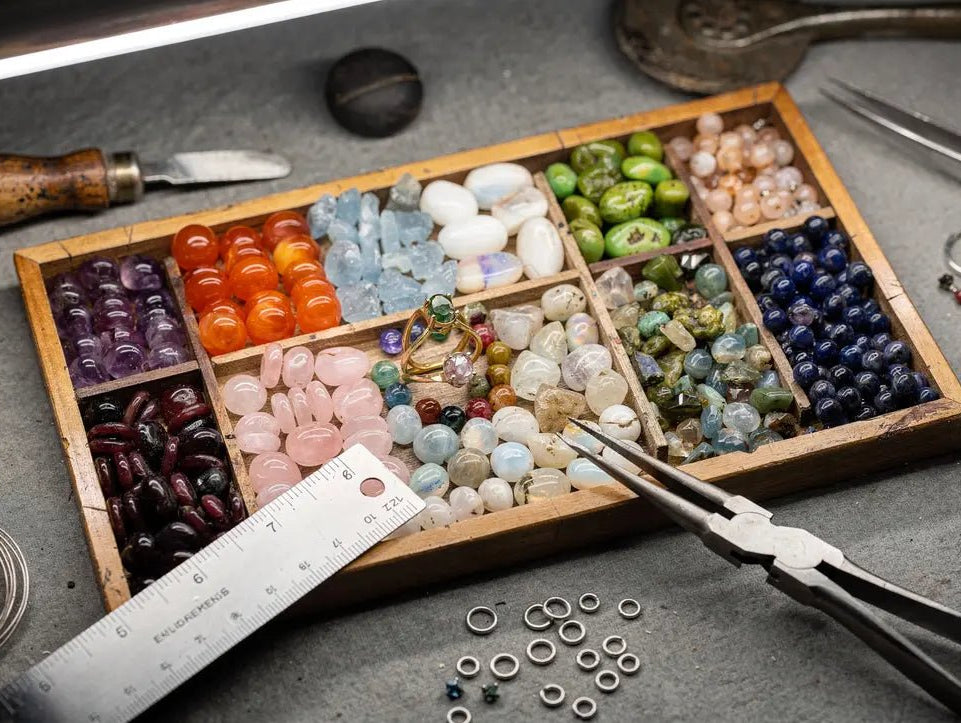
Although your go-to toolkit will likely evolve along with your hobby, there are certain essentials that pretty much every jewelry maker and bead enthusiast needs. Some basic materials to shop for and collect right off the bat include:

  • A collection of beads to get started with
  • Stringing material (e.g. thread, beading wire, or elastic cord)
  • Crimp beads to secure the ends of your beaded strings
  • Clasps and jump rings for making necklaces, bracelets, etc. wearable
  • Pliers to help with tasks like gripping, wire wrapping, and creating curves
  • A bead board or mat to help you keep track of and arrange your beads
  • Jewelry glue to help with tasks like securing knots
  • Beading needles (if you’ll be working with thread)
  • A box, crafting kit, or other appropriate container to organize your beads and supplies

Give Some Consideration to Your Bead Choices

While it goes without saying that gemstone beads are beautiful, looks aren’t all that makes a particular stone a good choice for a piece. Keep factors like the following in mind as you consider your options.

Gemstone meaning

Most gemstones carry longstanding associations with abstract concepts like strength, healing, beauty, or luck. Some people even believe that different gemstones can attract these concepts into the life of the wearer. For example, amethyst is said to encourage clarity and manage stress, while onyx is associated with strength and opal with creative inspiration.

Size and shape

Gemstone beads come in a wide range of different shapes – everything from round to cubed to teardrop-shaped. They also come in a variety of millimeter-based sizes. Carefully consider which options gel best with the piece you’re planning. Smaller beads (4-6 mm) are terrific for creating intricate designs, while larger ones (8-12 mm or larger) are ideal for going bold and creating pieces with big personalities.

Bead quality

Each gemstone is unique. Many will have small imperfections, quirks, and characteristics that reflect this, and it’s truly part of their charm. However, it’s important to understand the difference between imperfections that simply lend character and those that could hurt the integrity of your finished piece. For example, you should avoid gemstones with cracks, chips, or damage that might escalate and compromise the strength of your piece.

Choose the Right Gemstone Bead Supplier

The best way to wind up with gemstone beads and finished projects that are everything you want them to be is to choose your supplier wisely. Pick one with a solid reputation for good-quality products, reasonable prices, and great customer service. (The Bead Traders is an excellent choice!) Selection should be a priority, too, as you want to buy from shops you can grow with as your passion for your craft grows.

Start with Simple but Rewarding Projects

Although there’s no hard and fast rule that says you can’t dive right into gemstone bead crafting with a big, ambitious first project, starting simple is often a better way to get a feel for what you’re doing. Some good potential projects for absolute beginners include the following:

  • Keychains and charms let you get used to working with beads and experimenting with different gemstones while remaining fairly forgiving.
  • Earrings are fantastic statement pieces that don’t require a lot of unusual tools or techniques.
  • Stretch bracelets don’t require the use of clasps or a lot of prior experience with jewelry making, so they’re terrific for beginners.
  • Beaded string necklaces are as simple as stringing different beads onto a single wire or thread – a great way to get used to working with patterns and different beads.

Design Projects in Advance

Properly planning and visualizing your pieces before you start a project helps you avoid running into snags or beading yourself into a corner, especially once you start tackling more ambitious designs. Use your bead board to physically lay out your chosen beads before starting to make sure they’ll look the way you want them to look.

Carefully consider your options as you plan by asking yourself some questions:

  • Do I want my design to be symmetrical or asymmetrical?
  • Do the beads I’ve chosen balance each other and work together visually?
  • Would this design benefit from the addition of spacers to highlight the gemstones?
  • Do my choices vibe with my personality and my intended purpose for the piece

Know How to Take Care of Your Pieces

Don’t let the fact that gemstones are rocks lead you to believe that they’re indestructible. Each gemstone is different, but all of them need care and maintenance to ensure they stay beautiful for years to come.

Harsh chemicals can damage or change gemstones in ways you might not like, so keep yours away from strong cleaning agents, perfumes, lotions, etc. Avoid soaking gemstones, as many varieties (e.g. opal or turquoise) are porous. Clean them using mild soap, water, and a soft cloth, taking care to dry them thoroughly afterward.

Know How to Troubleshoot Common Issues

Smart, meticulous use of good tools and supplies is the key to finished gemstone beading projects you’ll love. Here are a few troubleshooting tips to keep in mind as you work:

  • Use spacer beads or small knots to stop beads from sliding.
  • Use high-quality beading wire and thread to minimize the likelihood of fraying.
  • Avoid overstretching elastic cording when making stretch bracelets or necklaces.

As your skill set grows, start exploring more advanced techniques like wire wrapping, bead weaving, or integrating other materials (like wood or even leather) into your designs. Let your creativity be your guide and the sky’s the limit.

Ready to discover the wide, wonderful world of gemstone bead crafting for yourself? Shop our extensive collection of gemstone beads today and start getting inspired!

Read more
Creating Stunning Jewelry with Kyanite Beads - The Bead Traders

Creating Stunning Jewelry with Kyanite Beads


Stemming from the Greek term “cyan,” which means “dark blue,” kyanite is a mineral considered by many to have truly magical properties and a beautiful gemstone. This gem is found throughout the world and is often sourced from Switzerland, Kenya, Nepal, the United States, Brazil, or Zimbabwe. While the variations of kyanite can come about in different ways, most are derived from metamorphic formations. The following is a breakdown of everything you need to know about kyanite and creating stunning jewelry with these amazing beads.


Are Kyanite Beads Always Blue?

No, they aren’t always blue. While they are named after a Greek term that means blue, which is also the most common color, not all kyanite beads are colored blue. There are various shades of blue, to be sure, but kyanite can also be found more rarely in green, pink, orange, yellow, and even black. In addition, because of the translucent nature of the gem, stones can almost morph into different colors or shades of colors. For example, they can seemingly turn from greenish blue to purple in particular light. However, the appeal of the blue hue cannot be underestimated as some gem lovers feel that kyanite can be used as blue sapphire lookalikes.


Are Kyanite Beads Good For Jewelry?

Yes. The blue mineral is an attractive option for jewelry with well-formed crystals, making it popular with jewelry makers. As a result, its vibrant, eye-catching appearance makes it a sought-after crystal bead to use in jewelry making. It can be paired with other gems as well. In addition, the cool blue hue of the kyanite beads pairs well with silver or contrasts attractively with gold, rose gold, or copper.


Caring For Kyanite Beads and Jewelry

Kyanite beads can be worn daily but be sure to shield them from chemicals and harsh impact. They should be stored in a shaded, cool area to help maintain their color vibrancy. To clean and care for kyanite, use mild soap, warm water, and a soft brush to gently clean jewelry. It’s also a good idea to keep kyanite away from other gemstones to prevent scratches. It’s important to remember that kyanite is a bit fragile. Therefore, pendants and earrings are a wise use of this gem. When creating jewelry where it is strung next to other gemstones, it’s helpful to knot it to protect the kyanite from cleaving or shearing due to impact with other gemstones.


Types of Kyanite Beads and Design Possibilities

Now that we have considered the way to care for kyanite and determined that it is, in fact, a good option for various types of jewelry, let’s look at the types of kyanite beads you might find and how they can be styled into beautiful pieces of jewelry. Read on for a breakdown of the design possibilities:


Square Beads

Blue or green kyanite beads can be made into square beads with a smooth, flat surface. They make beautiful necklaces because they will hang flush to the neck. They can be paired with other gems or left on their own to make a stunning necklace. They are also ideal for stud earrings or even dangling earrings for a stunning look.


Natural Crystal Beads

The natural form of kyanite is a crystal-like nugget or stick-shaped. The sizes vary, so they can make a unique necklace when strung together. Since the shape is not uniform, each necklace will look slightly different. Of course, they will all look stunning with this natural crystal look.


Oval or Circle Coin Beads

Coin beads, along with oval shapes, are ideal to use to string a necklace. In addition, they can be paired with other types of gems or beads to create a more dramatic look. The oval shape or teardrop beads can be used to create pendants or focal pieces of a necklace or beautiful earrings.


Round Beads

Perhaps the type of kyanite gem that is the easiest to work with and create with is the beads. You can get them in blue, green, teal, or other hue of kyanite and layer them to create depth to the necklace or bracelet. These create stunning pieces of jewelry that can be layered with other types of jewelry or worn alone.


Ways to Style Kyanite Jewelry

The following are some ways to incorporate kyanite jewelry into your wardrobe. Of course, don’t feel locked into these suggestions, but they do make a good jumping-off point when designing a piece:


  • Earrings: This is a popular way to incorporate a pop of color into your outfit without it seeming overwhelming or tacky. Kyanite can be used to create elaborate chandelier earrings or simple studs.


  • Necklaces: Use kyanite to create necklaces of various lengths and styles. Pennants can be used, or even more elaborate layering of beads to make a statement. This can be worn with formal or casual outfits.


  • Bracelets: Delicate chains with kyanite accents or layered cuffs can be a great way to add to your look. They can be worn alone or layered with other bracelets.


  • Rings: Another not-as-common way to wear kyanite is by designing a ring. This can be stacked with other rings or work alone. You can opt for a more dramatic cocktail ring or a simple solitaire.


What Makes Kyanite a Good Gemstone for Jewelry

Since there are so many hues in kyanite gemstones, it can be used to create beautiful pieces of jewelry that compliment virtually anyone’s hair color, skin tone, and individual styles. They can be dressed up and bold or toned down and subtle, leaving the level of drama derived completely up to the designers themselves. In other words, it is a subdued yet complex gem that makes kyanite a classy yet bold choice. Although kyanite is a rare gem, its cost is not nearly as significant as other, more expensive gems, like the aforementioned sapphire. In this way, even when budgets are somewhat limited, you can enjoy the beautiful look of a kyanite necklace, earrings, bracelet, or more. In addition, when you take care of your creation, its beauty will remain for years to come.


Read more
How to Make a Freshwater Pearls Necklace - The Bead Traders

How to Make a Freshwater Pearls Necklace

When it comes to jewelry items that are positively synonymous with concepts like timelessness, elegance, and sophistication, it doesn’t get much more iconic than a pearl necklace. Pearls look incredible on absolutely anyone. They’re also durable gemstones, so many people take pride in passing pearl jewelry down from generation to generation.

But you don’t necessarily need to go to a jewelry store and buy a readymade pearl necklace to experience the magic of wearing pearls for yourself, especially if you have a preference for freshwater pearls. It’s easier than you think to make a freshwater pearls necklace of your own. Here’s what you need to know to get started.

Why Choose Freshwater Pearls?

Both saltwater and freshwater pearls are stunningly beautiful. Both are obtainable through gemstone bead dealers and make excellent fits for handmade jewelry items like necklaces or bracelets. But freshwater pearls bring some unique benefits to the table for gemstone lovers and jewelry makers alike.

Versatility

Freshwater pearls come in a wide range of different colors and shapes, so the possibilities are endless as far as the types of necklaces you can create. You can stick to special occasion necklaces if you like, but freshwater pearls also open the door to some truly unique alternatives that are ideal for everyday wear, dressing up weekend outfits, or wearing to the office.

Affordability

In comparison to saltwater pearls, freshwater pearls are usually more affordable, so they’re a terrific way to integrate pearls into your jewelry collection on a budget. Creating your own freshwater pearls necklace makes the process of attaining the option of your dreams even more cost-effective.

Meaning

Many people feel freshwater pearls hold a special spiritual significance. Some healers believe they have unique healing properties and use them to help balance body rhythms or sort out hormone issues. Others feel freshwater pearls have the power to attract love, tap into one’s inner consciousness, or cultivate spiritual purity in the wearer.

How to Make a Freshwater Pearls Necklace You’ll Love

Making your own jewelry is easier than you might think. (All you need are a few basic supplies and a little creativity.) It’s also highly rewarding on multiple levels. For example, jewelry-making helps improve your motor skills and encourage mental relaxation.

The ability to make whatever you like for yourself and your loved ones can be empowering, as well. Here are some key steps to keep in mind when planning and making your very own freshwater pearls necklace.

Choose your pearls

Naturally, you want to put the most thought into the star of your necklace – the pearls themselves – so think carefully about what to choose. Freshwater pearls come in many different shapes and just about any color you can imagine. Consider which of your available choices lends itself best to your personality, the style of jewelry you prefer, and your plans as far as how you’ll wear it.

You’ll also want to choose a good gemstone bead dealer when deciding where to source your pearls. Choose an outlet like The Bead Traders with an extensive catalog and a reputation for excellent customer care.

Choose a suitable line for your pearls

After the pearls themselves, your choice of lines is the most important consideration when making a freshwater pearls necklace. Silk line is generally the traditional choice, and it comes in various lengths to suit different pearls. (Nylon is a solid alternative if you don’t want to use silk.)

Generally speaking, the larger the pearls, the thicker the line you’ll want to use. Small pearls are good fits for a thinner line with a thickness of 2 or so, while average-sized pearls fit well on a 4 line. If you’re using larger pearls, though, you’ll want a line that’s at least a 6.

Measure and cut your line

Careful measurements are the key to necklaces that are comfortable, stylish, and make the statement you’re looking for. So, start by carefully measuring your neck (or the neck of your recipient). Consider whether you want a choker, collar, princess necklace, or opera-length necklace. Then measure and cut your line accordingly.

Keep in mind that silk stretches, so pull it gently taut to pre-stretch it a bit when measuring. It’s also advisable to leave some extra length to grant yourself wiggle room for working. (You can always trim it later.) Preserve the integrity of your line by rubbing a small amount of beeswax along its length.

String your pearls

Use a thin wire threading needle that fits through your pearls to start creating your freshwater pearls necklace. Begin by tying a square knot on one end, followed by a clamshell tip to secure your pearls as you add them, and then another knot to separate the clamshell from the pearls.

Then thread the pearls onto your line one after the other. Be sure to tie additional knots after each one to help separate the pearls. (Also keep in mind that if you’re creating a necklace with a pattern, the pearls need to go onto the thread in reverse order.) Finish with another clamshell tip.

Complete the necklace

Once you’re done, complete your necklace by adding a jump ring and clasp to make it wearable. Use pliers to bend your clamshell tips into an open position. Then attach the clasp to one and the jump ring to the other. Consider adding a small dab of jewelry glue to the spots where the clamshells bend to reinforce them.

For best results, be sure to continuously check the length of your necklace throughout the creation process to make sure you’re on track. Pay special attention to whether the pearls are laying the way you want them to on your neck. Make necessary adjustments accordingly.

Now that you understand the basics of how to make a beautiful freshwater pearls necklace of your very own, it’s time to dive in and start creating. Start by browsing our extensive collection of high-quality freshwater pearls here at The Bead Traders! It’s a great way to get your creative juices flowing and see what’s truly possible when you have a wealth of options at your fingertips.

Read more
98 results

Net Orders Checkout

Item Price Qty Total
Subtotal $0.00
Shipping
Total

Shipping Address

Shipping Methods