You pull out your Ethiopian opal necklace, notice it looks different, and start to wonder if something went wrong. Maybe it turned cloudy. Maybe it went almost clear. Or maybe the color play you loved seems to have vanished. If this happened after your necklace came in contact with water, don't stress that it's ruined just yet.
Ethiopian opals are naturally hydrophane, meaning they can absorb water through tiny microscopic pores. As moisture enters the stone, it temporarily changes the way light travels through the opal, causing noticeable shifts in color, transparency, and brightness. While the transformation can be surprising, it's a normal characteristic an Ethiopian opal in water experiences. In other words, it's not a sign of permanent damage!
Below, we'll explain everything you need to know about what happens when you put an Ethiopian opal in water. We'll discuss why changes occur, why some stones may act differently, and how to clean or dry your opal safely. This way, next time it happens, you can restore its natural luster without stress.
What Happens to Ethiopian Opal in Water?
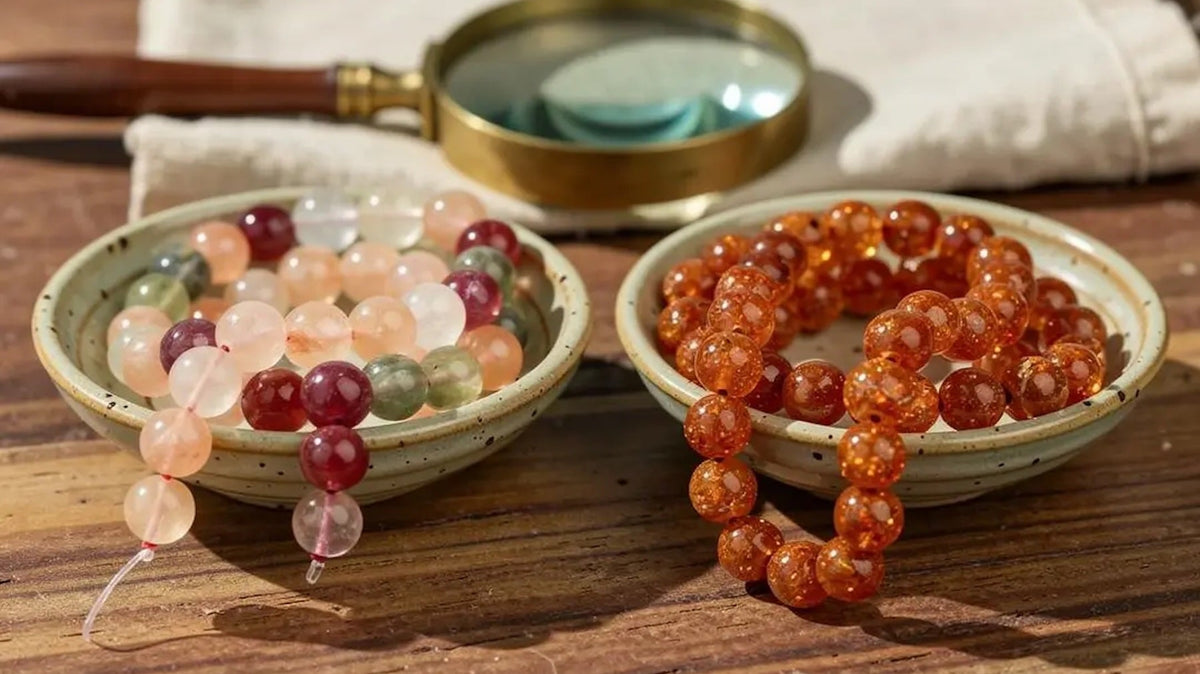
After dipping your Ethiopian opal in water, you may notice it looks slightly different than normal. Depending on the stone, it may become more transparent, cloudy, darker, yellowish, or glassy. The play-of-color, that shifting flash of rainbow light opals are known for, may temporarily disappear or appear muted. In some cases, the transformation is so dramatic, that the opal barely looks like the same gem.
We emphasize the term, "depending on the stone," because not every Ethiopian opal reacts the same way. Some stones begin changing within minutes while others only show subtle differences. The extent of the reaction depends on factors like the stone's natural porosity, how long it was exposed to moisture, whether it has been treated, and how much moisture it already contains. For example, it's even possible for individual stones on the same strand to respond differently.
Additionally, water exposure doesn't have to be dramatic. Washing your hands, sweating during a workout, spending time in high humidity, or getting caught in rain can all cause temporary changes. Fully soaking an Ethiopian opal in water typically produces the most noticeable transformation, but even everyday moisture can affect its appearance.
For those interested in learning more about this process, visit our guide, "Ethiopian vs. Australian Opal Beads: What's the Difference?"
The Main Reason: Ethiopian Opal Is Often Hydrophane
The reason Ethiopian opals react so noticeably to water is because many are hydrophane, meaning they have a porous internal structure that can absorb moisture. Much of the Ethiopian opal found today, particularly material from the Welo region of Ethiopia, exhibits this characteristic.
Ultimately, hydrophane opals contain interconnected microscopic pores that can absorb water, oils, lotion, and even dyes. In some cases, these stones can absorb up to 15% of their own weight in water. As moisture enters those tiny pores, the way light travels through the opal changes, causing it to temporarily become more transparent while muting or altering its play-of-color.
Australian opals, for example, behave differently because they have a much denser internal structure. They typically form through sedimentary processes, while Ethiopian opals commonly develop in volcanic rock. The difference in that formation is one of the main reasons Ethiopian opals are much more sensitive to water exposure.
Interestingly, the word hydrophane comes from Greek and roughly translates to "water-loving," a fitting name for an opal known for readily absorbing moisture.
How Water Changes the Look of the Stone
An opal's signature play-of-color comes from light diffracting through tiny, uniformly arranged silica spheres inside the stone. The size and arrangement of those spheres determine which colors appear and how vividly they flash.
When light fills the microscopic pores in a hydrophane opal, it changes the way light travels through the stone. More specifically, the water alters the refractive index within those pores, temporarily changing how light interacts with the silica spheres. As a result, the opal may appear less fiery, more translucent, darker, or different in tone, even though the stone's internal structure remains unchanged.
In short, the stone itself has not been damaged. The water is simply changing the optical conditions inside the opal. Once the water evaporates, the play-of-color typically returns as normal.
Why Not All Ethiopian Opals React the Same Way
No two Ethiopian opals are exactly alike. While many are hydrophane, the degree of porosity can vary significantly from one opal to another. For example, some absorb moisture almost immediately and undergo dramatic color changes, while others show only subtle differences or react much more slowly.
Several factors can influence how an Ethiopian opal responds to water, including its natural pore structure, how it was cut and polished, whether it has been treated or stabilized, its existing moisture content, and how long you've left the Ethiopian opal in water. Bead size can also play a role, as smaller beads have a greater surface-area-to-volume ratio and may absorb and release water more quickly.
Is the Color Change Permanent?
In most cases, no. According to the GIA, a hydrophane opal typically returns to its original appearance after it has been fully dried. Depending on the stone and how much moisture it absorbed, that process can take anywhere from a few hours to several weeks.
That said, it's important to avoid frequent or prolonged exposure to moisture. As we note throughout our Gemstone Jewelry Care Tips guide, repeated contact with water, oils, lotions, perfumes, soaps, and other liquids may increase the risk of lasting change over time. These liquids can sometimes become trapped within the stone's porous structure, affecting its appearance.
Additionally, poor storage or repeated environmental stress may contribute to issues such as crazing—a network of fine internal cracks that is generally irreversible. Learn more about crazing in our article, "Create Jewelry with Timeless Style with Opal Beads."
Needless to say, an accidental splash or brief exposure to water is unlikely to cause permanent damage. It's when soaking or submerging Ethiopian opal in water that you may increase the likelihood of long-term changes.
Signs the Change Is Likely Temporary
As your Ethiopian opal dries, its original appearance should slowly begin to return. The play-of-color may become brighter over time, and the stone should slowly regain the look it had before it absorbed moisture. As we mentioned previously, depending on how much moisture entered the opal, this may take anywhere from a few hours to a few weeks.
Additionally, ensure your stone shows no visible cracks, chips, or similar signs of damage. If you don't notice any damage and your opal begins regaining color, the change is likely temporary.
In one documented example, La More Design soaked Ethiopian opals for eight hours, causing the play-of-color to disappear almost entirely. After more than 24 hours of air drying, the stones returned to their original appearance, illustrating how dramatic, but temporary, the effects of water can be.
When to Be More Concerned
While most water-related problems are temporary, there are situations that deserve a closer look. Visible cracks or crazing, flaking, unusual residue, or changes that persist even after the opal has had ample time to dry completely may indicate a more serious issue.
If your Ethiopian oil doesn't gradually regain its original appearance or you notice signs of physical damage, avoid trying to speed up the drying process or repair it yourself. Instead, have the stone evaluated by a qualified jeweler or gemologist, especially if it's a valuable loose stone or part of a fine jewelry setting.
How to Dry an Ethiopian Opal Safely
If your Ethiopian opal gets wet, remove it from the water as soon as possible and gently pat it dry with a soft, lint-free cloth. Then place it in a safe, well-ventilated area at room temperature and allow it to air dry naturally.
Resist the urge to speed up the process and avoid direct sunlight, hair dryers, ovens, radiators, or other heat sources, as rapid temperature changes can place unnecessary stress on the stone. Instead, allow the opal to release moisture gradually.
What Not to Do After Your Opal Gets Wet
Avoid using ultrasonic or steam cleaners on Ethiopian opals. The combination of vibration and heat can place unnecessary stress on the stone, resulting in an increased risk of damage. Likewise, skip alcohol, acetone, harsh cleaning products, abrasive cloths, and polishing compounds. If your opal is still wet, don't try to buff or polish it. Instead, let it completely dry naturally first.
Household chemicals are another concern to be particularly mindful of. Because many Ethiopian opals are hydrophane, they may absorb more than just water. Soaps, perfumes, hand sanitizers, lotions, and similar products can sometimes penetrate the stone's porous structure, increasing the risk of staining or other lasting changes.
After accidental water exposure, the safest approach is also the simplest: gently dry the opal and allow it to air dry naturally.
Can You Wear Ethiopian Opal Jewelry Every Day?
You can wear Ethiopian regularly, but it requires a little more care than harder gemstones like sapphire or quartz. Ethiopian opal ranks between 5.5 and 6.5 on the Mohs harness scale, making it more susceptible to scratches as well as moisture-related changes.
Before showering, swimming, washing dishes, exercising, or applying lotion, sunscreen, or perfume, it's best to remove your Ethiopian opal jewelry. The same goes for household cleaning and any activity that exposes the stone to excess moisture or chemicals.
A little prevention can go a long way toward keeping the stone looking its best.
Best Jewelry Styles for Ethiopian Opal
While Ethiopian opal can be used in virtually any type of jewelry, some settings are naturally easier to care for than others. Rings, for example, typically experience the most daily wear because your hands come into frequent contact with liquids. Earrings, pendants, and necklaces, for the other hand, are generally exposed to less moisture and fewer impacts.
For jewelry designers, Ethiopian opal beads pair beautifully with complementary materials, like freshwater pearls, sterling silver or gold-filled findings, and other understated gemstone beads. Designs such as earrings and pendants can help minimize routine exposure to moisture while allowing the opal's natural play-of-color to remain the focal point.
Storage Tips for Opal Jewelry and Beads
Store Ethiopian opals in a soft pouch or lined jewelry box away from direct sunlight, excessive heat, and harsh chemicals. To help preserve scratches, keep them separate from harder gemstones, like diamonds, sapphires, and topaz. It's also best to avoid storing opals near heating vents, in hot vehicles, or anywhere they're exposed to prolonged high temperatures or sudden temperature changes.
To learn about storing similar gemstones, read our guide, "Biwa Pearl Beads Care, Cleaning, and Storage Guide."
How to Clean Ethiopian Opal Without Damaging It
For routine care, simply wipe your Ethiopian opal with a soft, dry microfiber or lint-free cloth. If needed, use a slightly damp cloth to remove surface residue, then dry the stone immediately.
Skip jewelry dips, detergents, ultrasonic cleaners, and steam. The GIA recommends warm soapy water as the safest cleaning method for opal in general. However, many opal specialists suggest avoiding even that for hydrophane Ethiopian opal, given how readily it absorbs liquid.
Cleaning Opal Bead Jewelry
Beaded jewelry requires a little extra attention. More specifically, moisture can collect around drill holes, lots, wire, or stringing material, potentially becoming trapped. If your opal bead jewelry gets wet, gently dry the entire piece with a soft cloth and allow it to air dry completely before storing or wearing it again.
After water exposure, it's also a good idea to inspect the clasp and other metal findings to ensure no moisture remains.
Does Water Reveal That an Ethiopian Opal Is Fake?
No, a temporary color change after exposure to water doesn't mean an Ethiopian opal is fake. In fact, many genuine Ethiopian opals are hydrophane, meaning they naturally absorb moisture and can temporarily become more transparent or lose their play-of-color luster.
Because of this, water tests are not a reliable or recommended way to verify an opal's authenticity. It can also expose the stone to unnecessary moisture without providing a definitive answer. If you need to confirm whether an opal is natural or determine its value, consult a qualified gemologist.
One exception is assembled stones, such as opal doublets and triplets. These layered pieces may develop fogging or show signs of layer separation after moisture exposure. However, a natural Ethiopian opal temporarily changing appearance in water is, by itself, not a sign that the stone is fake.
Interested in learning more about how to spot these differences at home? Read our post, "How to Tell If Gemstone Beads Are Real or Fake (Expert Guide)."
Natural, Treated, and Stabilized Opals
Not every Ethiopian opal is sold in its natural state. Some stones are dyed, smoke treated to darken the body color, or stabilized with resins or other substances to improve their durability and performance. These treatments can influence how an opal responds to water, as well as how it should be cleaned and cared for over time.
When purchasing Ethiopian opal or opal jewelry, buy from a reputable seller who clearly discloses any treatments. Knowing whether a stone is natural, treated, or stabilized allows you to follow the appropriate care recommendations and helps set realistic expectations for its long-term appearance.
If you're not sure what it means for a stone to be treated or stabilized, you can learn more here: "Natural vs Treated Gemstone Beads: Price and Durability."
Tips for Jewelry Makers Working With Ethiopian Opal Beads
When designing with Ethiopian opal beads, keep the stone's unique properties in mind. Choose stringing materials and findings that complement the opal's delicate appearance while allowing the finished piece to be worn and stored with care. Designs that minimize routine exposure to moisture and harsh chemicals can help preserve the stone's appearance over time.
Whether you're creating elegant earrings, pendants, or custom necklaces, thoughtful material choices let the opal's natural play-of-color shine. At The Bead Traders, we provide carefully sourced gemstone beads, quality findings, and jewelry-making supplies trusted by designers and artisans around the world. Ultimately, our goal is to make it easy to create pieces that are as beautiful as they are lasting.
Browse our New Arrivals section to begin previewing your options.
Designing Pieces Others Can Care For
When creating custom pieces for customers, family members, or friends, include a simple "care instruction" card. Ensure you note to avoid moisture when possible, and recommend that wearers always remove their jewelry before swimming, bathing, or applying products.
A short care card takes minutes to make and can create avoidable damage. More importantly, those who know how to look after their jewelry properly are often happier, more willing to trust their product, and return for more.
Find your Ethiopian opal gemstone beads from The Bead Traders!
Ethiopian opal changes color in water because most stones from the Welo region are hydrophane. They absorb moisture through microscopic pores, and that moisture changes how light moves through the gem. The result is a temporary shift in appearance that usually resolves on its own once the stone dries.
The key word is temporary, provided you dry the stone gently, avoid heat, and do not make a habit of soaking it. Treat Ethiopian opal as a moisture-sensitive gemstone rather than an everyday waterproof material, and it will reward you with years of that distinctive, shifting color play.
If you are working on a new design, browse our Ethiopian opal beads, gemstone beads, freshwater pearls, metal beads and findings, and chain by the foot at The Bead Traders. U.S. orders over $100 ship free with free returns.
Interested in other opal options? You may enjoy our Denim Blue Opal Beads, Dendritic Opal Beads (Moss Opal Beads), and Blue Peruvian Opal Beads. Happy shopping!